The Best Pets for Apartments: Dogs, Cats and Small Pets That Fit
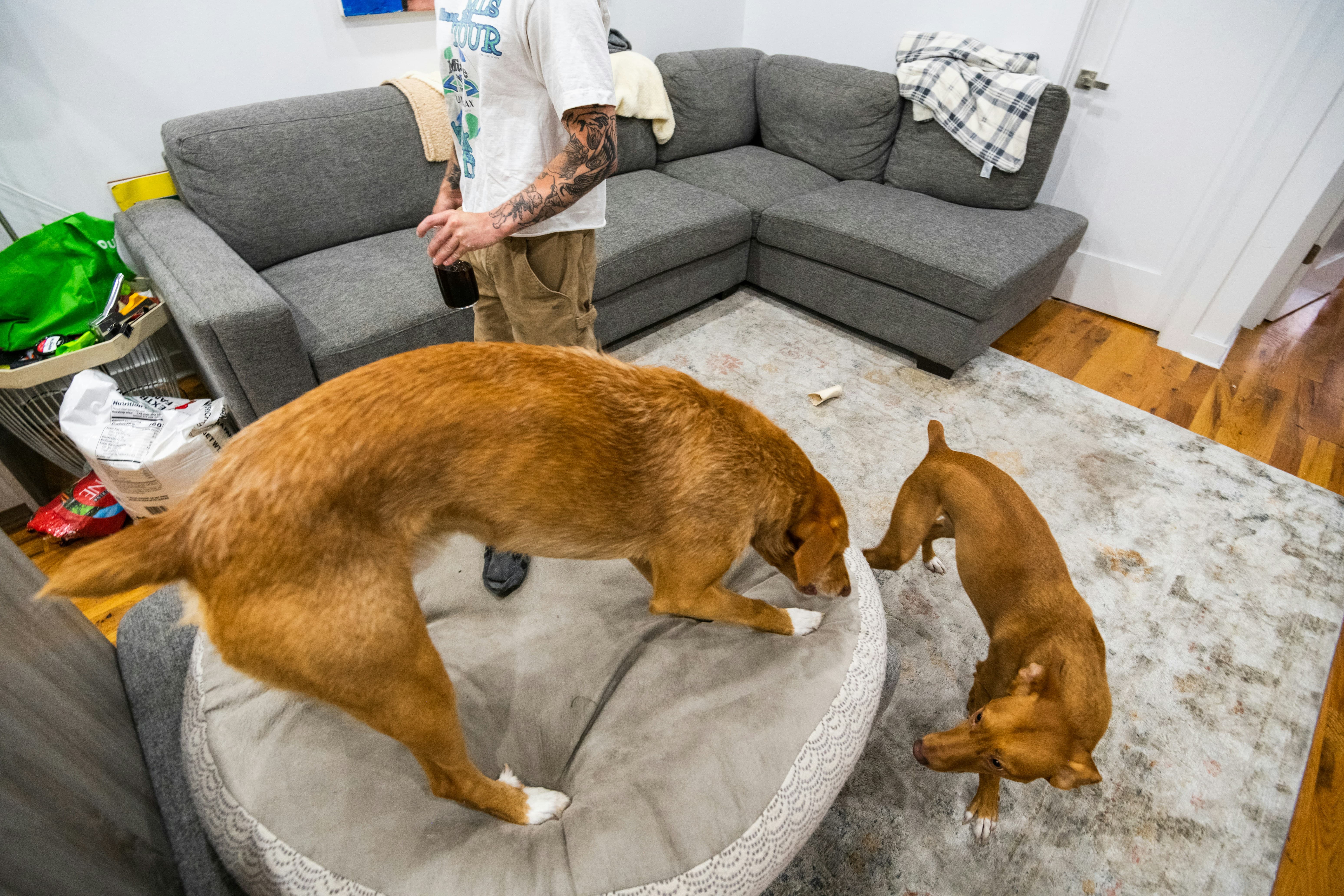
The best pets for apartments are quiet, adaptable and happy in a smaller space. Cats top the list, followed by small low-energy dogs, rabbits, guinea pigs and fish. Size matters less than you might think: noise, energy and how much time you're home matter more.
Check Your Lease First
Before you fall for a pet, read your tenancy agreement or building rules. Look for:
Can my pet fly?
The earliest date your pet can travel, and what to do when.
No sign-up, no email. Answers stay in your browser. Open the full tool
Whether pets are allowed at all, and which species
Weight or breed limits for dogs
A cap on the number of pets
Pet deposits, monthly pet rent or cleaning fees
Rules on balconies, shared gardens and lifts
Get permission in writing. It protects you if the building changes management or a neighbour complains.
What Makes a Good Apartment Pet
A good apartment pet ticks most of these boxes:
Quiet. Thin walls carry barking, howling and squawking. Neighbours notice.
Moderate energy. A pet that settles indoors between walks or play sessions copes better than one that needs to run for hours.
Comfortable alone. If you work away from home, choose a pet that tolerates a few hours on its own.
Easy toilet routine. Cats and rabbits use litter trays. Dogs need several trips outside a day, which is harder from a high floor.
The Best Pets for Apartments
Cats
Cats are the classic apartment pet. They use a litter tray, don't need walks and are mostly quiet. Make up for limited floor space with height: cat trees, shelves and a window perch give an indoor cat plenty of territory. Calm adult cats settle faster than kittens.
Small, quiet dogs
Plenty of dogs live happily in apartments if they get daily walks. Good fits include:
Cavalier King Charles Spaniel: gentle, adaptable and rarely noisy.
Shih Tzu: small, calm and bred as a companion dog.
Bichon Frise: low-shedding and friendly, though it needs company.
Boston Terrier: compact, playful and usually quiet.
Greyhound: a large dog, but a calm one. Retired racers often sleep most of the day.
French Bulldogs and Pugs are popular in cities because they are small and quiet. They are also flat-faced, so they overheat easily and many airlines restrict them. Keep that in mind on stairs, in hot weather and if you plan to travel.
Rabbits
Rabbits are quiet and can be litter-trained. They need space to hop, though, not just a hutch, so plan for a pen or a rabbit-proofed room. Hide cables and protect skirting boards, because rabbits chew. They are happiest in pairs.
Guinea pigs
Guinea pigs are friendly and easy to handle, but they squeak loudly when excited, especially at feeding time. They need a large cage and a companion of their own kind.
Fish
Fish are silent and need no outdoor space. Check the floor can take the weight of a large tank: water weighs about 1 kg per litre, before glass, gravel and the stand.
Small birds and hamsters
Budgies and canaries are small but chirp through the day; most neighbours won't hear them, but larger parrots and cockatoos can be very loud. Hamsters are quiet in the day but active at night, so keep the cage out of the bedroom.
Dogs to Think Twice About in a Small Space
Some breeds struggle in apartments because of energy or noise, not size. Huskies and Beagles are known for howling. Border Collies and other working breeds need hours of activity and a job to do. Jack Russell Terriers are small but very energetic and vocal. These dogs can live in apartments with an experienced, active owner, but they are not an easy first choice.
Setting Up an Apartment for a Pet
Use vertical space for cats: shelves, trees and window perches.
Secure the balcony. Fit netting or mesh, close railing gaps and never leave a cat out alone.
Soften noise. Rugs reduce the sound of claws and paws for the people below.
Set a toilet routine for dogs, with walks at the same times each day. Teach your dog to wait calmly in lifts and hallways.
Give them a quiet corner. A bed or crate away from the front door helps a pet relax when people pass in the corridor.
Apartment Pets and Travel
Small apartment pets have one big advantage: they travel easily. A cat or small dog that fits in an under-seat carrier can often fly in the cabin rather than in cargo. Carrier sizes and weight limits vary by airline, so check the rules before you book, for example the Alaska Airlines pet policy. Our travel essentials for small dogs lists what to pack, and how to make your pet comfortable during travel helps nervous pets settle.
For road trips, our guide to dog car seats, travel beds and crates covers safe setups, and if your dog gets carsick, see our guide to dog motion sickness.
Moving abroad or taking a holiday with your pet? Pet Holiday Club shows the vaccinations, documents and lead times for your route, so you can plan from the start.
Frequently Asked Questions
What is the best dog for a small apartment?
Small, calm companion breeds such as the Cavalier King Charles Spaniel, Shih Tzu and Bichon Frise are among the best. A retired Greyhound is a good larger option because most are calm indoors. Whatever the breed, daily walks matter more than square footage.
Can you have a big dog in an apartment?
Yes, if the dog is calm and you can walk it every day. Greyhounds and many older large dogs live happily in apartments. Check your lease for weight limits first, and think about stairs if the building has no lift.
What is the quietest pet for an apartment?
Fish are completely silent. Among pets you can handle, cats and rabbits are the quietest. Most rabbits make almost no noise, and cats rarely disturb neighbours.
Are rabbits good apartment pets?
They can be. Rabbits are quiet and can use a litter tray, but they need room to move, protection from cables and furniture they might chew, and ideally a second rabbit for company.
How do I keep my dog from barking in an apartment?
Make sure your dog gets enough exercise and mental work, such as puzzle feeders and short training sessions. Block views of the corridor or street if passers-by set it off, and build up time alone gradually. If barking continues while you're out, speak to a trainer or your vet.
See more from Pet Holiday Club on Google
Pick us as a preferred source and our pet travel updates show up first in your Google results.