


How to Make Your Pet Comfortable During Travel (2026 Guide)
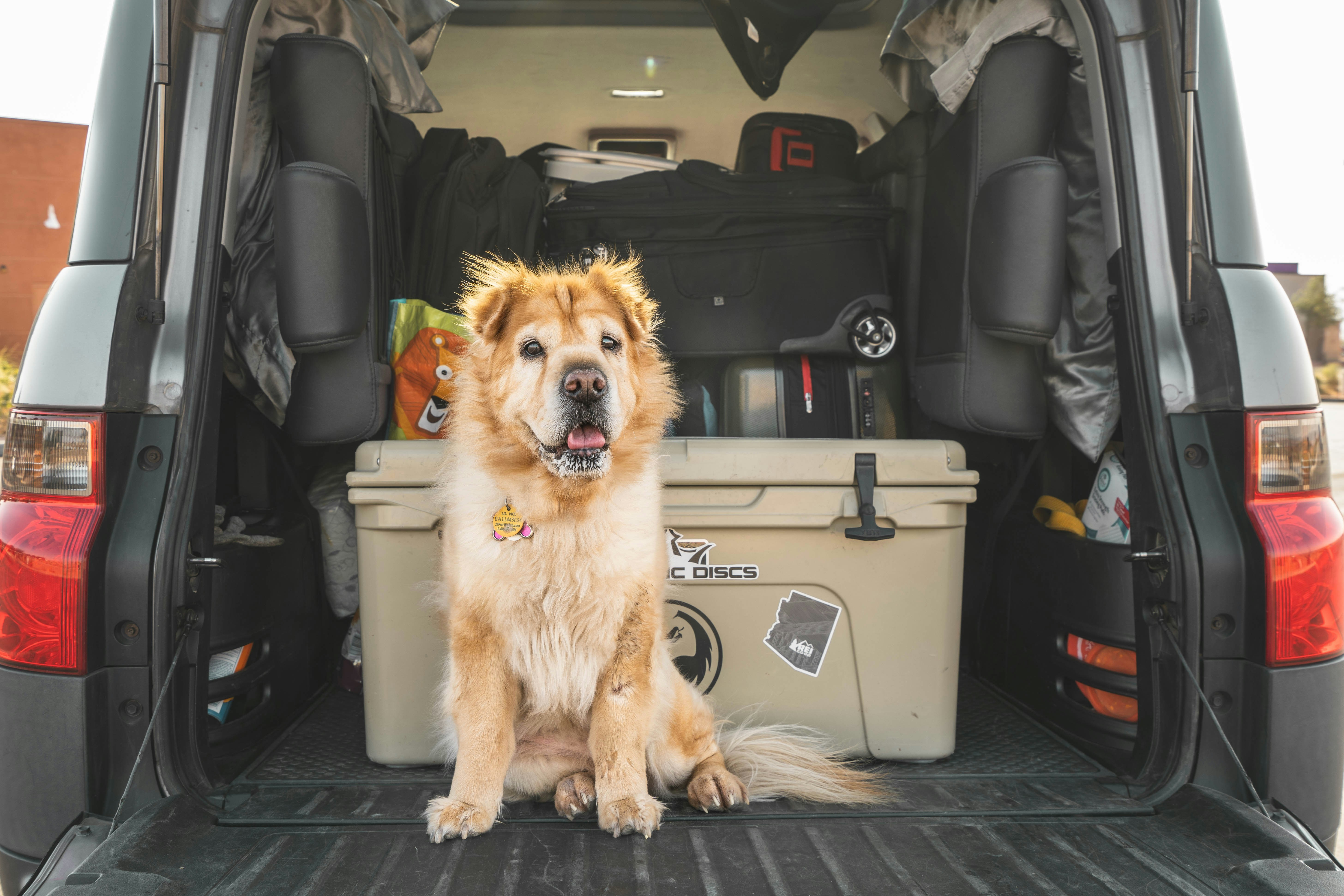
Why travel is hard on pets
A comfortable pet is one that feels safe, not one surrounded by gadgets. Travel takes away everything that makes a dog or cat feel safe: its territory, its routine and its sense of control.
Most pets feel that loss. A recent Texas A&M study found that more than 84% of dogs show signs of fear or anxiety, as we covered in Dog Travel Anxiety: What Actually Helps. Cats, as territorial animals, often find a change of place harder still.
The good news: comfort is mostly preparation. This guide covers what to do in the weeks before, how to adapt for car, plane and ferry, and how to read your pet's stress signals on the day.
Start 3–4 weeks before you travel
The most comfortable travellers are pets that have already met the carrier, the car and the routine. Give yourself three to four weeks.
Make the carrier a bed, not a cage. Leave it open in the living room with a blanket and treats inside. Feed meals near it, then inside it. Close the door for a few minutes at a time once your pet walks in on its own.
Practise short trips. Start with five minutes in the car and build up. End every trip somewhere good, such as a walk or a treat, not the vet.
Book a vet check. Ask about motion sickness, any medication your pet takes, and whether your pet is fit to fly. Flat-faced breeds and older pets need extra care.
Get the papers moving. Some vaccinations and certificates need weeks of lead time, and last-minute paperwork stresses you, which your pet picks up on. Check the country guide for your destination early.
Comfort tips for car, plane, train and ferry
Each way of travelling stresses a pet differently, so the fix differs too.
Mode | Main stress | What helps most |
Car | Motion, noise, sliding around | A secured crate or crash-tested harness, a cool car, a stop every 2–3 hours |
Plane (cabin) | Crowds, security, a long time in the carrier | A carrier your pet already sleeps in, a seat away from the galley, a cover over the carrier |
Plane (hold or cargo) | Separation, temperature, handling | A well-ventilated IATA crate, a direct flight, avoiding very hot or cold months |
Train | Crowds, sudden stops | A quiet carriage, a seat at the end of the coach, a lead clipped to your wrist |
Ferry | Engine noise, motion, kennel time | A pet cabin where offered, regular visits to the kennel, a light meal only |
By car
Keep the car cool and the windows mostly closed: a head out of the window risks eye injuries. If your dog drools, licks its lips or vomits, it may be motion sickness rather than nerves. Our guide to dog motion sickness covers what vets prescribe.
By plane
Cabin travel is far kinder than the hold, so pick an airline that takes your pet in the cabin where you can. Rules, sizes and fees vary widely; check yours in the airline guides.
By ferry
Some ferries offer pet cabins so your dog stays with you, while others use kennels on deck. Compare options in Dog-Friendly Cruises From the UK & Europe.
On the day: five things that make the biggest difference
Feed early and lightly. Give a small meal 3–4 hours before you leave. An empty-ish stomach means less nausea.
Offer water little and often. Small sips keep your pet hydrated without accidents. A collapsible bowl makes this easy anywhere.
Tire them out first. A long walk or play session before a dog travels helps it rest. For cats, a play session with a wand toy does the same.
Pack the smell of home. A worn T-shirt or the pet's own blanket in the carrier calms more reliably than most products.
Watch the temperature. Never leave a pet in a parked car; in warm weather the inside heats up within minutes. Flat-faced breeds overheat fastest.
And stay calm yourself. Pets read their owners closely, and a rushed, anxious owner makes for an anxious pet.
On calming aids: pheromone sprays and snug-fitting wraps help some pets. Sedatives are different. Never sedate a pet for travel without your vet's advice, as sedation can affect breathing and balance, and many airlines refuse sedated animals.
How to tell if your pet is stressed
Stress shows up in the body long before a pet panics. Catch the early signs and you can act before things escalate.
Signal | Dogs | Cats |
Early | Yawning, lip-licking, ears back, whale eye (white of the eye showing) | Flattened ears, dilated pupils, tail tucked tight |
Rising | Panting when not hot, pacing, whining, drooling | Hiding, crouching low, constant meowing |
High | Trembling, trying to escape, vomiting, loss of bladder control | Hissing, growling, open-mouth breathing |
What to do at each stage:
Early signs: speak softly, cover the carrier with a light cloth, and avoid fussing.
Rising signs: stop if you can, offer water, and give a short walk or quiet break.
High signs or open-mouth breathing in a cat: treat it as urgent. Stop, cool the pet down and call a vet. Heavy panting in a flat-faced breed is a warning sign, not normal behaviour.
Helping your pet settle in on arrival
The first hour at your destination sets the tone for the whole stay. Give your pet a small, safe base before anything else.
Set up a home corner. Put the open carrier, bed, water and familiar blanket in one quiet spot. Cats do best starting in a single room, with the litter tray nearby.
Keep the routine. Feed and walk at the same times as at home, even across time zones, then shift gradually.
Check the room first. Look for gaps behind furniture, open balconies and toxic plants before letting your pet explore.
Expect a quiet day. Many pets eat less or sleep more for 24–48 hours. Call a vet if your pet stops eating or drinking for longer.
Choosing the right place to stay helps too. Compare fees and rules in Hotel Chains That Take Dogs and Cat-Friendly Hotels.
A calm trip starts with a clear plan
Comfort comes from familiarity: a carrier your pet already trusts, a routine that barely changes, and an owner who isn't scrambling for paperwork at the gate.
Take the last worry off your list with the free Pet Holiday Club checklist. Enter your route and pet, and you get every requirement with its lead time and official source, so you can spend the trip looking after your pet instead of your documents.
Frequently asked questions
How can I calm my pet during travel?
Train your pet to rest in its carrier weeks ahead, feed lightly 3–4 hours before leaving, pack a blanket that smells of home, and stay calm yourself. Ask your vet about anti-nausea or calming medication if your pet struggles.
Should I feed my dog before a long trip?
Yes, but lightly and early: a small meal 3–4 hours before departure. Offer small sips of water throughout the journey.
Is it safe to sedate my pet for a flight?
Only on your vet's advice. Sedation can affect breathing and balance, and many airlines refuse sedated pets.
How often should I stop on a road trip with a dog?
Every 2–3 hours, for a short walk, a toilet break and water.
How long does it take a pet to adjust after travel?
Most pets settle within 24–48 hours if you keep their routine. Call a vet if your pet stops eating or drinking for longer.


