Travel Essentials for Small Dogs: The 2026 Packing List
Why small dogs are the easiest travellers
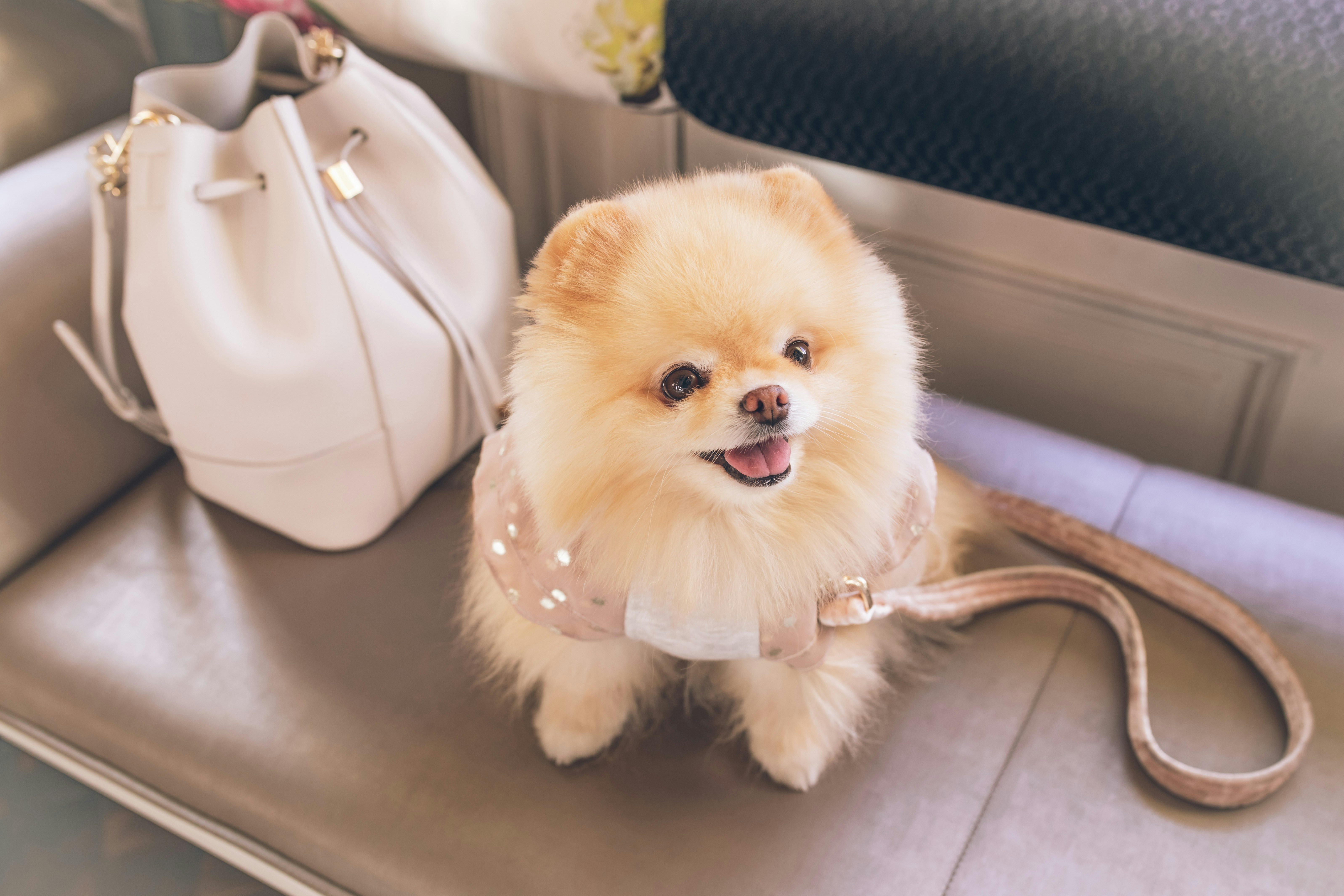
A small dog can fly in the cabin with you, sit on your lap in the car and fit in most hotel rooms. That makes it the easiest dog to travel with, but only if you pack the right things.
The essentials come down to four groups: a carrier the airline accepts, the papers the border asks for, the kit that keeps your dog fed and calm, and a plan for the day itself. This list covers each one, with the airline rules taken from the Pet Holiday Club rules base.
The small dog travel essentials checklist
Pack these 15 items and your small dog is ready for a flight, a road trip or a hotel stay.
Carrier and gear
Airline-approved soft-sided carrier that fits under the seat
Absorbent pad for the carrier floor
Harness and spare leash (collars slip off small dogs easily)
ID tag with your mobile number and destination address
Papers
Microchip number, written down and matching every document
Rabies vaccination certificate
Health certificate or import form for your destination
Airline pet reservation confirmation
Food, water and health
Usual food in a sealed container, plus one extra day's worth
Collapsible water bowl and a bottle of water
Any daily medication, in its original packaging
Poop bags and pet wipes
Comfort
A worn T-shirt or blanket that smells of home
One familiar chew toy
A light jumper for cold cabins (small dogs lose heat fast)
Essential 1: a carrier your airline accepts
The carrier is the one item that decides whether your dog flies. Most US airlines want a soft-sided carrier of about 18 × 11 × 11 in (46 × 28 × 28 cm) that fits fully under the seat in front.
Airline | Cabin carrier size | Weight limit | Fee each way |
American Airlines | 18 × 11 × 11 in soft-sided | 20 lb (9.07 kg) dog + carrier | USD 150 |
Delta Air Lines | 18 × 11 × 11 in soft-sided | Must fit under seat | USD 150 domestic, USD 200 international |
United Airlines | 18 × 11 × 11 in soft, or 17.5 × 12 × 9 in hard | Must fit under seat | USD 150 |
Alaska Airlines | 17 × 11 × 9.5 in soft, or 17 × 11 × 7.5 in hard | Must fit under seat | USD 100 |
Lufthansa, KLM, Air France | Varies by aircraft | 8 kg (17.6 lb) dog + carrier | Varies by route |
European carriers are stricter on weight: 8 kg including the bag. Read our Lufthansa and KLM reviews if you are flying to Europe.
What to look for in the carrier itself:
Mesh on at least two sides for airflow.
Room for your dog to stand and turn around.
A leak-proof base and a zip your dog can't nose open.
Your name and phone number on the outside.
Buy the carrier at least two weeks early and let your dog nap in it at home. A dog that already treats the bag as its bed stays calmer on the day.
Check your exact flight on the airline guides before you buy: dimensions can change by aircraft.
Essential 2: the right papers, in the right order
Size doesn't change the paperwork: a 6 lb Chihuahua needs the same documents as a Great Dane. For most international trips, the order is:
Microchip first. An ISO 11784/11785 15-digit chip, implanted before the rabies shot. A rabies vaccine given before the chip may not count.
Rabies vaccination. Your dog must be at least 12 weeks old, and many countries need the shot at least 21 to 30 days before travel.
Parasite treatment. Flea, tick and worm treatment, often within 10 days of travel.
Health certificate or import form. Issued close to departure. Dogs entering the US need a CDC Dog Import Form receipt and must be at least 6 months old.
Lead times differ by destination, so check the country guide for where you are going. Keep scans of every document on your phone, or store them in a digital Pet Passport.
Book a vet check a week or two before you fly, even for domestic trips. Small breeds are prone to dental and heart issues that stress can make worse.
Essential 3: food, water and a calm dog
Small dogs burn energy fast and dehydrate quickly, so feeding and water need more planning than for a large dog.
Feed lightly. Give a small meal 3–4 hours before departure, not right before. A full stomach on a bumpy flight often comes back up.
Offer water little and often. A few sips at a time avoids accidents in the carrier.
Watch for low blood sugar. Toy breeds can get shaky or lethargic if they skip meals. Pack a few treats and ask your vet what to carry.
Bring familiar smells. A worn T-shirt in the carrier does more than most calming products.
If your dog drools, licks its lips or vomits in the car, it may be motion sickness rather than nerves. Our guide to dog motion sickness covers what vets prescribe. For a dog that panics, read what actually helps with dog travel anxiety.
Never sedate a dog for a flight without your vet's advice. Sedation can affect breathing and balance at altitude, and many airlines refuse sedated pets.
Essential 4: a plan for travel day
Arrive 2–3 hours before a flight with a cabin dog. Pet check-in takes longer than a normal bag drop, and agents may ask to see your papers and weigh the carrier.
Book your dog's seat early. Airlines cap the number of pets per cabin, and spaces go first on busy routes.
Walk your dog before security. Many US airports have pet relief areas, but some sit outside security.
Plan for screening. At US security you carry your dog through the scanner while the empty carrier goes through the X-ray. A snug harness and leash make this safer.
Keep the carrier zipped on board. The dog stays inside, under the seat, for the whole flight.
On arrival, find water and a relief spot first. If you are staying in a hotel, check the pet fee and weight limit before you book: our comparison of hotel chains that take dogs lists both for 13 chains.
Get the exact list for your trip
The packing list above works for almost any small dog. The papers don't: they change with your route, airline and breed.
Build your dog's personal list with the free Pet Holiday Club checklist. Enter where you are flying from and to, and you get every requirement with its lead time and official source, in the order you need to act on it.
Frequently asked questions
What size dog can fly in the cabin?
On US airlines, any dog that fits in an under-seat carrier of about 18 × 11 × 11 in. American also caps dog and carrier at 20 lb; European airlines such as Lufthansa and KLM cap them at 8 kg (17.6 lb).
What should I pack for a small dog on a plane?
An approved carrier with a pad, harness and leash, food and a collapsible bowl, any medication, poop bags, a familiar blanket, and printed copies of every travel document.
Can my small dog sit on my lap during the flight?
No. Airlines require cabin pets to stay in their carrier under the seat for the whole flight.
How much does it cost to fly with a small dog?
USD 100–150 each way in the cabin on most US airlines, and up to USD 200 on some international routes. Vet visits and certificates are extra.
Should I sedate my dog for a flight?
Only on your vet's advice. Many airlines refuse sedated pets, and sedation can affect breathing at altitude.