The Best Pets for Seniors: How to Choose the Right Companion
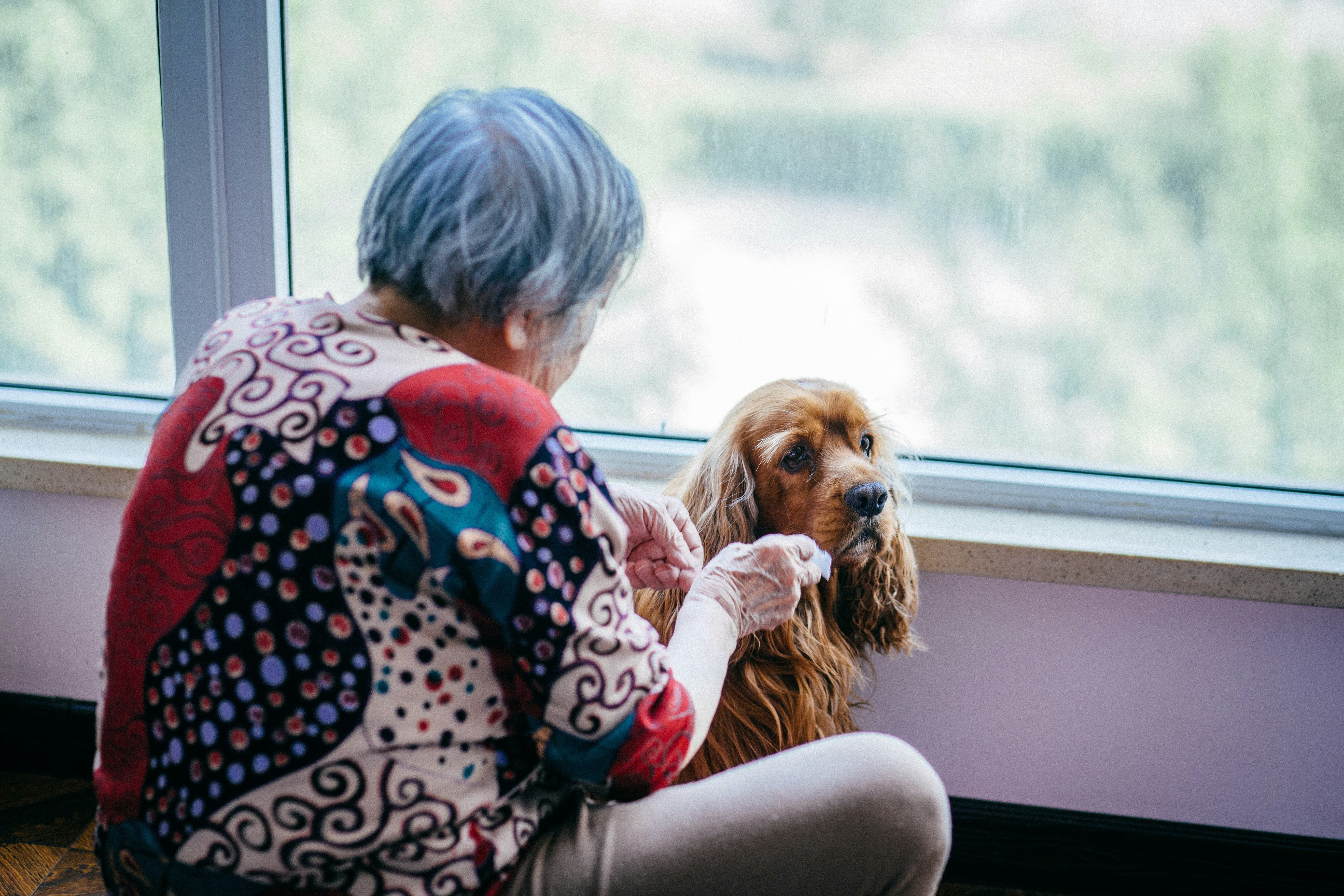
The best pets for seniors are the ones that fit your energy, your home and your plans for the next ten years or more. For most older owners, that means an adult cat, a small and calm adult dog, or a low-maintenance pet such as a bird or fish.
A pet brings company, a reason to get up and a daily routine. Dogs add regular walks and chats with neighbours along the way. The right match keeps those benefits without the strain of a pet that needs more than you want to give.
Can my pet fly?
The earliest date your pet can travel, and what to do when.
No sign-up, no email. Answers stay in your browser. Open the full tool
What Is the Best Pet for an Elderly Person?
The best pet for an elderly person is usually an adult cat. Cats are affectionate, house-trained and need no walks, so they suit most levels of mobility. For an elderly person who is active and enjoys being outdoors, a small, calm adult dog is the best choice, because daily walks add exercise and social contact.
The right answer still depends on the person:
Limited mobility: an adult cat, a pair of budgies or a small aquarium.
Active and social: a small, gentle adult dog such as a Cavalier King Charles Spaniel or Bichon Frise.
Wants company but little care: a calm senior cat, which often needs the least work of all.
Whatever you choose, an older animal is usually a better match than a puppy or kitten. The sections below explain what to weigh up and compare each option in more detail.
What to Consider Before Choosing a Pet
Ask yourself these questions honestly before you choose:
How active am I? A dog needs walks in all weather. A cat or bird does not.
Can I bend, lift and kneel easily? Litter trays, cage cleaning and bathing a dog all involve bending. Large dogs can pull on a lead.
What can I afford? Budget for food, insurance or vet bills, grooming and boarding, not just the cost of adoption.
How long will the pet live? Cats often live 15 years or more and some parrots outlive their owners. An older pet can be a better fit for your timeline.
What does my home allow? Check pet rules if you rent or live in retirement housing. Some set weight or species limits.
Do I travel? If you visit family often, choose a pet that can come along or that a friend can easily look after.
The Best Pets for Seniors
Adult and senior cats
Cats are independent, house-trained from the start and don't need walking. An adult cat of five years or older is usually calmer than a kitten and less likely to climb curtains or trip you up. Choose a cat that enjoys company if you want a lap companion; shelter staff can tell you which cats are affectionate.
Small, calm adult dogs
If you want a dog, look for a small breed with modest exercise needs and a gentle temperament. Good options include:
Cavalier King Charles Spaniel: affectionate, adaptable and happy with short walks.
Shih Tzu and Maltese: small, people-focused and content indoors, though their coats need regular grooming.
Bichon Frise: cheerful, low-shedding and easy to carry.
Retired Greyhound: a surprising choice. Despite their size, many retired racers are calm and sleep most of the day.
Flat-faced breeds such as Pugs and French Bulldogs are popular, but they can struggle with breathing and heat, and many airlines restrict them. Weigh that up if you plan to travel.
Birds
Budgies and canaries are cheerful, small and easy to house. Budgies can learn to talk and bond with their owner. Larger parrots are a different commitment: they are loud, need hours of attention and can live 40 years or more.
Fish
An aquarium is calming to watch and needs no walks or grooming. A small tank still needs weekly water changes, so choose a setup you can manage without heavy lifting.
Rabbits and guinea pigs
These are gentle and quiet, but they need more care than many people expect: daily fresh hay and vegetables, regular cage cleaning and the company of a second animal. They suit seniors who are comfortable kneeling and cleaning at floor level.
Why an Older Pet Is Often the Better Choice
Puppies and kittens are hard work: night-time toilet breaks, chewing, training and boundless energy. An adult or senior pet usually comes house-trained, with a settled personality you can see before you commit.
Adopting an older animal also lines up the pet's life with your own plans. Many shelters run senior-to-senior programmes that pair older pets with older owners, sometimes with reduced adoption fees. Ask your local shelter whether they offer one.
Making Pet Care Easier as You Age
Small changes keep pet care manageable for years:
Use raised food bowls and a litter tray with a low entry to cut down on bending.
Lay non-slip rugs where pets run, so neither of you slips.
Try an automatic feeder or water fountain for cats.
Use a short, lightweight lead and a harness rather than a collar for a dog that pulls.
Ask about mobile vets or home visits if getting to the clinic is hard.
Line up a dog walker or neighbour for days you can't go out.
Make a plan for your pet if you fall ill or go into hospital. Name a friend or relative who has agreed to step in, write down your pet's routine and vet details, and keep a copy with your important papers.
Travelling With Your Pet
Many seniors want their pet to come along on visits to family or longer stays abroad. Small dogs and cats can often fly in the cabin in a carrier that fits under the seat, which is far less stressful than cargo. Size and weight limits differ by airline, so check your carrier's rules first, for example the American Airlines pet policy or the Delta Air Lines pet policy. Our travel essentials for small dogs covers carriers and packing, and how to make your pet comfortable during travel covers calming an anxious traveller.
Crossing a border takes more planning: microchips, rabies vaccinations, health certificates and sometimes waiting periods of weeks or months. Most travel health certificates must be signed by an accredited vet, so it helps to know how to find a vet that offers pet travel certificates. Pet Holiday Club lists what your route requires and when to do each step, so nothing is missed.
Curious which pets are most popular overall? See our look at the favorite pets in the United States.
Frequently Asked Questions
What is the easiest pet for an elderly person?
An adult cat is the easiest all-round choice: no walks, house-trained and happy indoors. For even less care, a small aquarium or a pair of budgies works well, as long as you can manage cleaning.
Is a cat or a dog better for seniors?
It depends on your energy and mobility. A cat suits owners who want company without daily walks. A small, calm dog suits owners who enjoy being outdoors and want the routine and social contact that walking brings.
Should a senior get a puppy or an older dog?
An older dog is usually the better match. Puppies need months of training, frequent toilet breaks and constant supervision. An adult dog of three years or more is often already trained, calmer and easier to handle on a lead.
What happens to my pet if I can no longer care for it?
Plan ahead. Ask a friend or relative to agree to take your pet, and write down its routine, food and vet details. You can also include your pet in your will. Some shelters and breed rescues run rehoming schemes for owners who can no longer cope.
Can seniors take their pets on holiday?
Yes. Small dogs and cats can often travel in the cabin on flights, and many hotels and holiday rentals accept pets. International trips need the right vaccinations and paperwork, often arranged weeks or months ahead, so check your route's requirements before you book. If your dog gets queasy on journeys, our guide to dog motion sickness covers the signs and what helps.
See more from Pet Holiday Club on Google
Pick us as a preferred source and our pet travel updates show up first in your Google results.