Service Dog Import Permits for Caribbean Cruise Ports
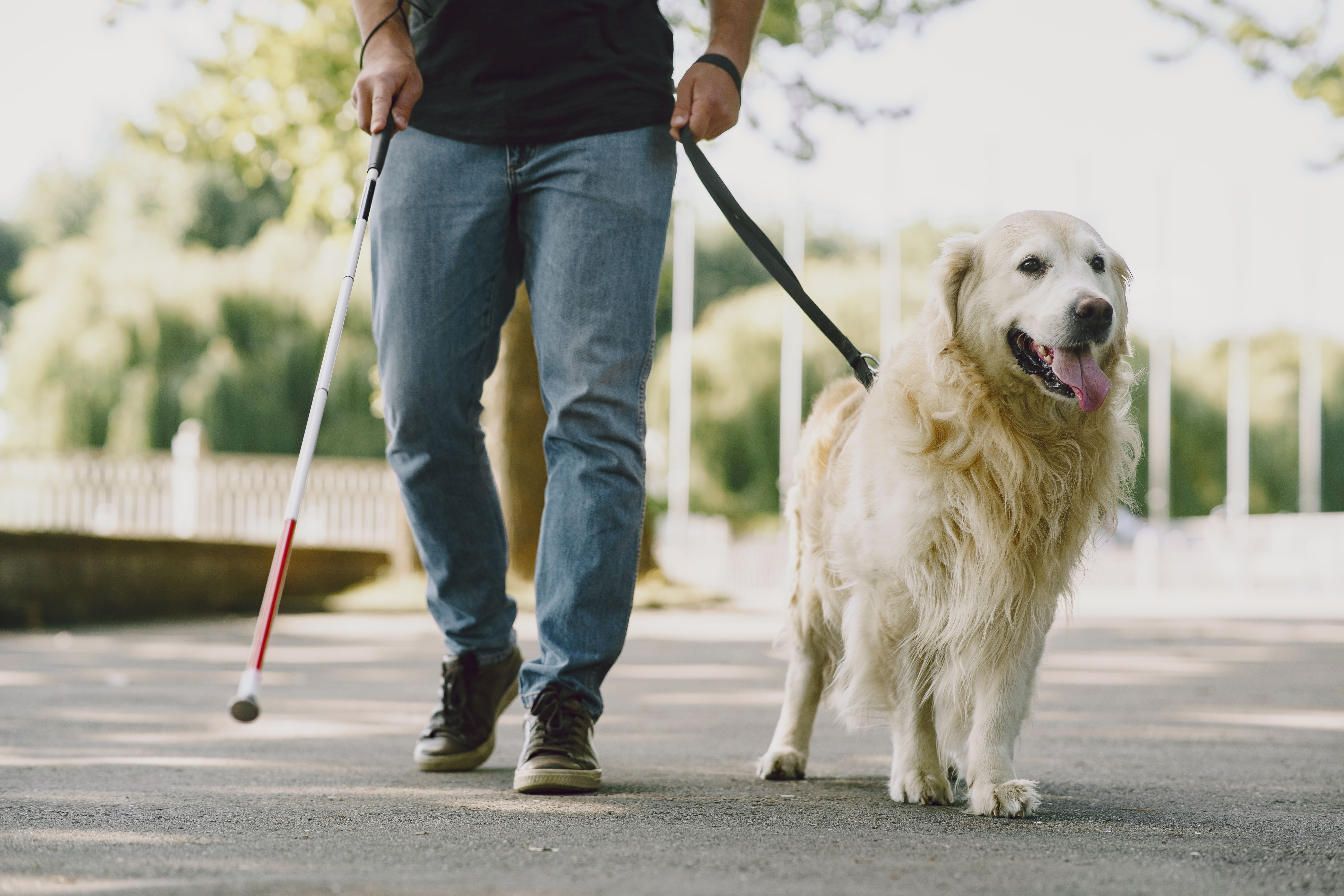
A seven-night Caribbean sailing can mean four countries in seven days. For a guest travelling with a service dog, every port of call is a separate border, with its own entry rules, documents and sometimes an import permit that takes weeks to obtain.
US export guidance from USDA APHIS puts it plainly: if pets or support animals accompany you on a cruise, you must comply with the entry rules for every country or port where the animal exits the ship. For shore operations and accessibility teams, that turns each itinerary into a set of separate requirements to track.
This guide explains how port entry works for dogs on Caribbean itineraries, using the Bahamas as a worked example from Pet Holiday Club's rules base, and sets out how operators can manage it.
Which airlines will take your pet?
Cabin, hold or cargo — by route, breed and weight.
Why every port is different
There's no shared Caribbean standard for dogs. Each country sets its own rules, and they vary in what they ask for:
Whether an import permit is needed, and how long it takes.
Which health certificate is required, and how close to arrival it must be issued.
Tests and treatments, such as parasite checks or a stool test.
Minimum ages, which can differ from the US minimum.
Our owner guide to service dogs on cruise ships also notes that some countries require an import permit even if the dog never leaves the ship. So "the dog will stay on board" isn't always a safe assumption.
Worked example: the Bahamas
The Bahamas is on most Caribbean itineraries from Florida. From Pet Holiday Club's rules base (US → Bahamas, dogs):
Restrictions
Dogs and cats must be more than 6 months old.
Pets leaving the US must be privately owned companion animals, not intended for research or resale.
Import permit
An import permit is required for dogs and cats, and must accompany the animal at the time of import. It's applied for online through the national Click2Clear platform (Government of The Bahamas: Application for permit to import domestic animals).
The application asks for the animal's name, breed, sex, age, colour, vaccination record and microchip number.
The permit must be in hand before the vet issues the health certificate, because the certificate is written to accompany it.
All conditions on the permit must be met, or the animal may be refused entry, or confiscated and disposed of as a disease risk.
Our rules base records processing times reported at 6 to 8 weeks without expedited service. That figure comes from a commercial source we're still verifying, so treat it as a planning estimate.
Health certificate
An international veterinary certificate must attest that the dog is over 6 months old, has rabies immunity and core vaccinations, has a negative stool test, and is free of external parasites.
From the US, APHIS endorsement is not required for travel before 1 January 2027. From 1 January 2027, APHIS requires pet dogs and cats travelling to the Bahamas to have an export health certificate electronically signed by a USDA-accredited veterinarian and electronically endorsed by APHIS.
Medical basics
ISO 15-digit microchip, implanted before or on the same day as the rabies vaccination.
Rabies vaccination at least 30 days before travel.
Parasite treatment within 10 days of travel.
One detail to plan around: the permit has to come before the health certificate. If the permit takes 6 to 8 weeks, the guest needs to start well before the sailing, not in the final fortnight.
How operators can manage port entry
Build a port matrix for each itinerary: country, permit needed or not, lead time, certificate type, special tests.
Flag permit ports at booking, and send guests the lead times for each one.
Set a clear shore-leave policy: which ports the dog may go ashore at, and what documents your shore team will check.
Brief port agents on dogs on board for each call.
Plan US re-entry too. In our rules base, every dog returning to the US needs a CDC Dog Import Form receipt and must be at least 6 months old. See our guide to what's required to bring a dog to the USA.
For guests who want to sail with pets rather than service dogs, see our pet-friendly cruises guide and dog-friendly cruises from the UK and Europe.
One checklist per port
Pet Holiday Club builds a checklist for each route from a rules base of 1,661 requirement items across 238 countries, in journey order, with lead times counted back from the travel date. Guests upload their dog's documents, and the scanner flags gaps before they sail.
See how Pet Holiday Club works →
Frequently Asked Questions
Do service dogs need an import permit for Caribbean cruise ports?
It depends on the country. Some, such as the Bahamas, require an import permit for dogs, and some require one even if the dog stays on board. Check each port on the itinerary.
How do you get a Bahamas import permit for a dog?
Apply online through the Click2Clear platform with the dog's details, vaccination record and microchip number. The permit must be in hand before the vet issues the health certificate.
How long does a Bahamas dog import permit take?
Processing is reported at 6 to 8 weeks without expedited service, so start well before the sailing.
Can my pet fly?
The earliest date your pet can travel, and what to do when.
No sign-up, no email. Answers stay in your browser. Open the full tool
What is the minimum age for dogs entering the Bahamas?
Dogs must be more than 6 months old.
Does a dog on a Caribbean cruise need a CDC form to return to the US?
Yes. Every dog entering or returning to the US needs a CDC Dog Import Form receipt.
Further reading on Pet Holiday Club
See more from Pet Holiday Club on Google
Pick us as a preferred source and our pet travel updates show up first in your Google results.