Travel Veterinarian: What the Job Involves and How to Start
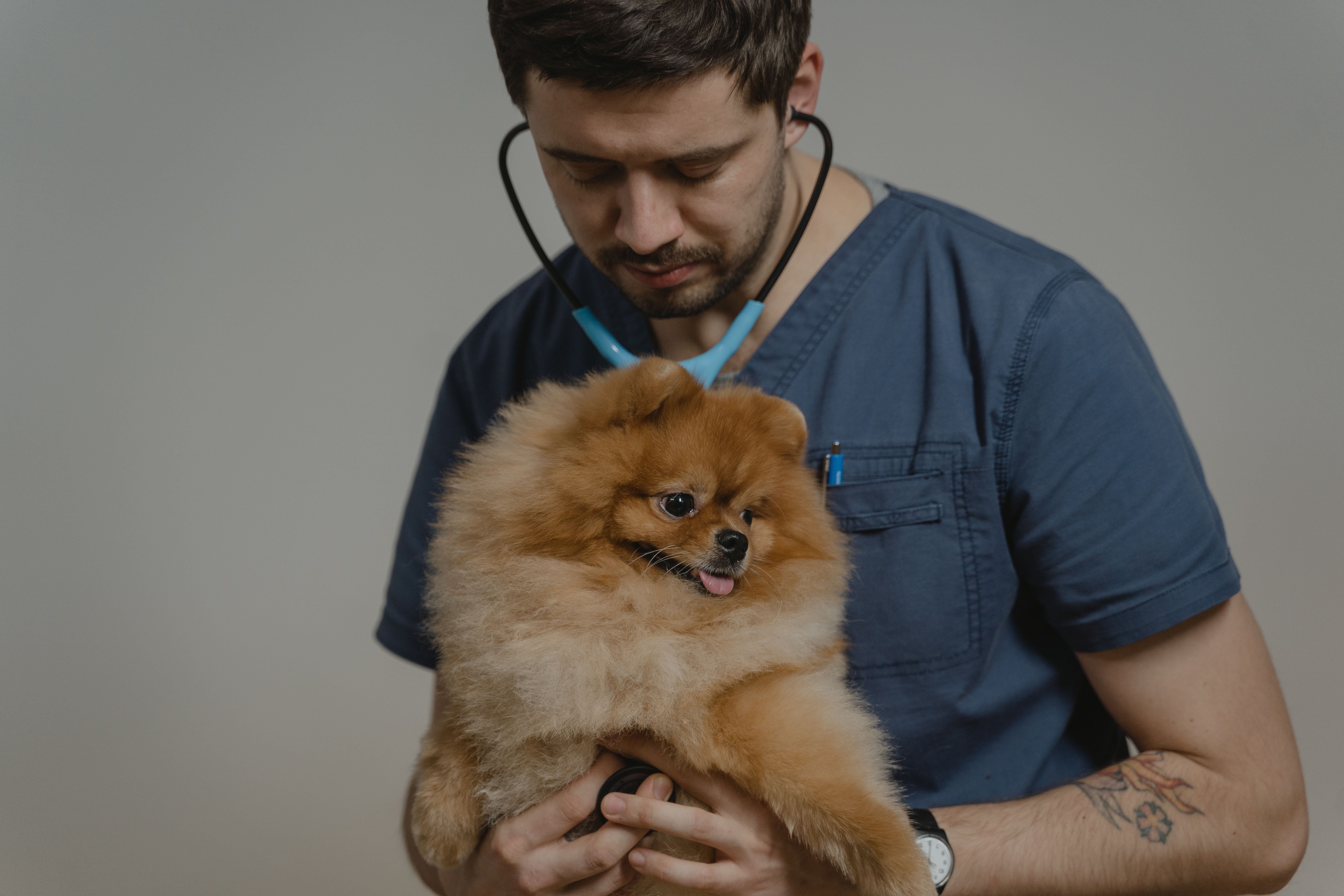
What a travel veterinarian is
A travel veterinarian works across several clinics instead of one. Some take relief or locum shifts through a staffing platform. Others join a hospital group's traveling vet program and rotate between its sites, with travel and lodging covered.
Can my pet fly?
The earliest date your pet can travel, and what to do when.
No sign-up, no email. Answers stay in your browser. Open the full tool
It's sometimes compared to travel nursing: CareVet describes its Traveling DVM program that way, built around flexibility.
This guide covers the main types of travel vet work, the licensing and accreditation rules that follow you across state lines, the trade-offs, and how to handle one request every travel vet meets sooner or later: a client who needs a pet travel certificate.
The main types of travel vet work
Type | How it works | Example |
Hospital group traveling vet | Employed by a group and rotating between its hospitals on a set schedule, often with travel, lodging and meals covered | CareVet's Traveling DVM program in Missouri offers 2-weeks-on/2-weeks-off or 3-weeks-on/1-week-off rotations |
Regional traveling associate | Employed by a group and covering several nearby hospitals, often as the sole vet on shift | Heart + Paw's Mid-Atlantic role covers sites in VA, MD, DE and PA |
Relief or locum through a platform | Self-employed, picking up shifts at clinics through a relief marketplace | Roo relief vets can work in any state where they're licensed |
Independent relief | Self-employed, contracting directly with clinics | Your own network of practices |
Whichever route you take, expect to adapt quickly: different PIMS, drug formularies, protocols and teams at each site.
Licensing and USDA accreditation across states
Two credentials follow you, and both are state by state.
State licence. You can only practise in states where you hold a licence. Relief vets can work across state lines as long as they're licensed in each state.
USDA accreditation. Accreditation is state-specific and voluntary, tied to the states where you're licensed. APHIS cannot endorse a health certificate if the vet isn't accredited in the state where they're practising.
That second point catches travel vets out. If you're accredited in your home state but working a shift elsewhere, you can't sign an international health certificate there until your accreditation covers that state. Before taking a rotation, check:
Which states you'll work in, and whether your licence and accreditation cover each one.
Your accreditation category. Category II is needed for birds.
Your accreditation renewal date, so it doesn't lapse mid-rotation.
Pros, cons and how to get started
Pros | Cons | |
Control over your schedule and time off | Less continuity with patients and clients | |
Variety of cases, teams and practice styles | A new system, formulary and protocol at each site | |
Travel and lodging often covered on group programs | Time on the road between sites | |
A way to test practice types before committing | Licensing and accreditation upkeep in several states |
To get started:
Decide on employed or self-employed. Group programs offer stability and benefits; relief work offers the most control.
Line up licences in the states you want to work in.
Extend your USDA accreditation to those states if you'll sign health certificates.
Build a portable toolkit: your preferred references, consent templates and a checklist for getting up to speed at a new clinic.
Ask each clinic on day one how they handle travel certificates, controlled drugs and emergencies.
Handling pet travel certificates at a clinic you don't know
A client walks in needing a certificate for a flight. You don't know the clinic's process, and you may not have handled that destination before.
Each route has its own rules. For dogs leaving the US for Italy or Costa Rica, Pet Holiday Club's rules base requires:
An ISO 15-digit microchip implanted before or on the same day as the rabies vaccination.
Rabies and DHPP vaccinations at least 30 days before travel.
Parasite treatment within 10 days of travel.
For Costa Rica, a clinical exam within the 2 weeks before travel.
Pet Holiday Club gives you the route-specific answer wherever you're working:
A checklist for the exact trip, built from a rules base of around 1,660 rules and matched to origin, destination, species, breed and airline.
Lead times against the travel date, so you can see straight away whether the case is still possible.
The owner's records checked against it. Owners upload documents, and the scanner flags gaps.
See how Pet Holiday Club works →
What is a travel veterinarian?
A vet who works across several clinics, either rotating within a hospital group or taking relief and locum shifts.
Is a travel vet the same as a relief vet?
The terms overlap. Relief vets cover shifts at different clinics, and many travel to do it. "Traveling veterinarian" is also used for employed roles that rotate between a group's hospitals.
Can a travel vet work in any state?
Only in states where they're licensed.
Can a travel vet sign pet health certificates?
Yes, if they're USDA-accredited in the state where they examine the pet. APHIS won't endorse a certificate otherwise.
When can the vet issue the health certificate?
Enter your arrival date, get the days to book the vet.
Further reading on Pet Holiday Club
See more from Pet Holiday Club on Google
Pick us as a preferred source and our pet travel updates show up first in your Google results.