The Dubai Pet Crisis: How a Missile Strike Exposed a Catastrophic Failure in Pet Travel Preparation
On the evening of 1 March 2026, the skyline above Dubai flickered with something that residents had never seen before. Iranian ballistic missiles and drones, launched in a dramatic escalation of regional tension, began striking targets across the United Arab Emirates. Within hours, tens of thousands of expatriates were reaching for their phones, booking emergency flights, and hauling suitcases into the lifts of apartment buildings across the city.
What happened next will haunt the animal welfare community for years.
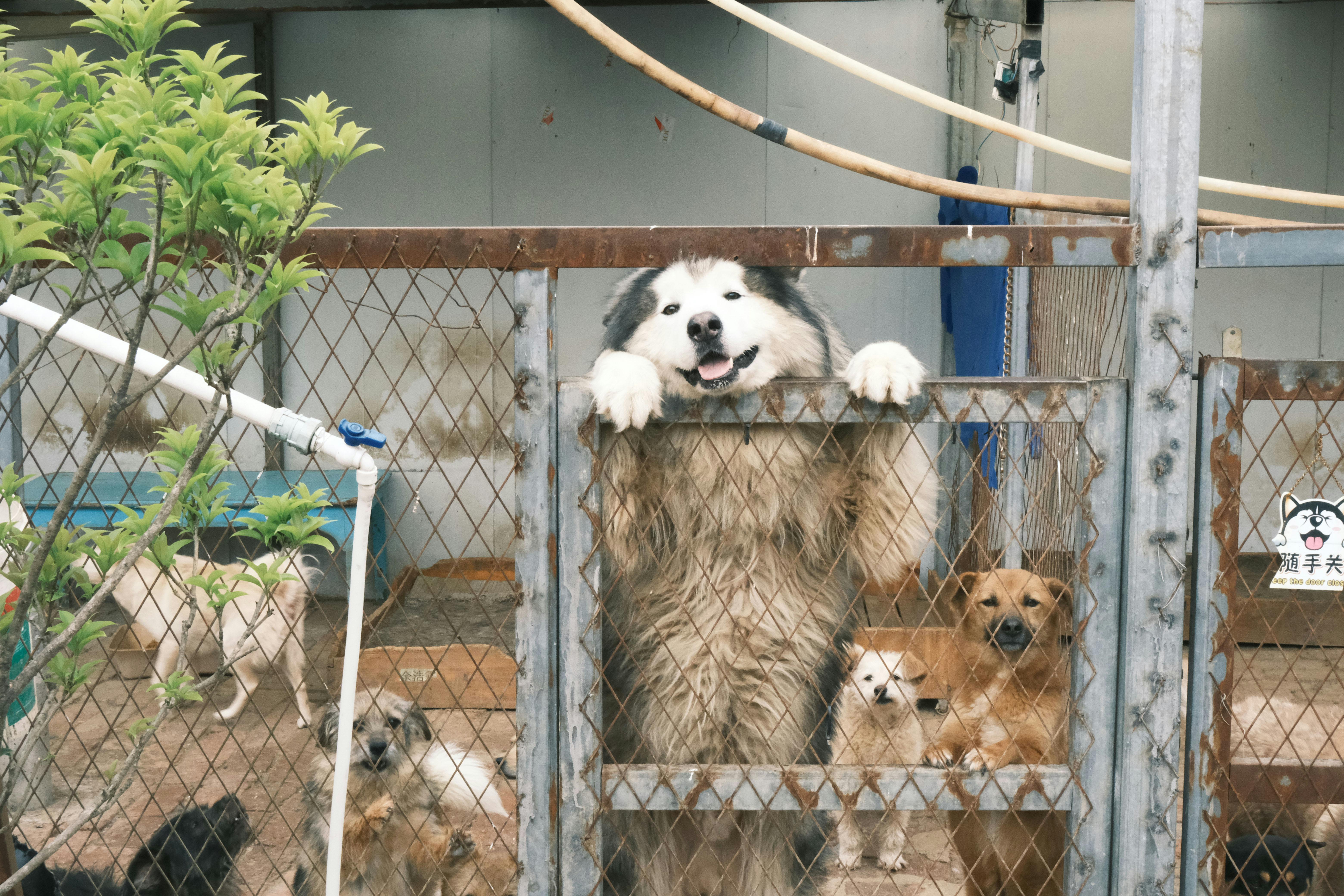
As the exodus gathered pace, a second crisis erupted in parallel - quieter, less visible, and in many ways more preventable. Dogs appeared tied to lampposts outside abandoned apartments. Cats were left inside sealed flats with bowls of food that would last, at best, a week. Healthy animals were brought to veterinary clinics with a single, devastating request from their owners: please put them to sleep. We are leaving. We cannot take them.
The Paperwork Nobody Ever Did
To understand why this happened, you need to understand one thing about international pet travel: it is not difficult, but it is time-sensitive. And for most of the Dubai expats who found themselves unable to take their pets, the problem was not affection - it was preparation.
Taking a dog from the UAE to the UK, for example, requires a microchip that meets the international ISO standard. It requires a rabies vaccination administered at least 21 days before travel. It requires an officially endorsed Animal Health Certificate, issued by an authorised veterinarian and stamped by the government, which takes several working days to process. For certain destinations, it requires a rabies titre blood test and a waiting period after the result.
None of these things can be fast-tracked in an emergency. The 21-day vaccination window is not negotiable. The government endorsement process does not run on a crisis timeline. And so, for pet owners who had never prepared - who had, perhaps, always assumed they would sort it out eventually - the window simply closed.
The Social Media Silence
Something else happened in the days following the strikes that drew considerable commentary online. Several prominent social media accounts - lifestyle influencers who had, for years, featured their dogs and cats as props in a carefully curated Dubai aesthetic - went conspicuously quiet. Their pets, it later emerged, had not made it onto the evacuation flights.
The backlash was immediate and fierce. Whether or not the criticism was entirely fair - emergencies are terrifying, and not every owner who left a pet behind did so callously - it crystallised something that animal welfare advocates had been saying for years: a pet is not an accessory. It is a responsibility. And that responsibility includes knowing how to take them with you when you leave.
The Numbers Behind the Crisis
Rescue organisations working in Dubai in the weeks following the strikes reported unprecedented pressure. K9 Friends Dubai, one of the city's best-known rehoming organisations, was flooded with calls. The Barking Lot boarding service described receiving hundreds more enquiries than normal in a single 24-hour period. One volunteer coordinator, speaking to British media, described tracking approximately 200 social media posts showing abandoned animals in the days after the crisis began.
She was careful to note that not all of those owners were heartless. Some were desperate. Some were simply confronting, for the first time, the practical reality of a situation they had never considered. But the outcome for the animals was the same regardless of the owner's intentions.
What Every Pet Owner Must Do Right Now
The Dubai crisis was not, in the end, about Dubai. It was about a gap between the love people feel for their animals and the practical steps required to act on that love in a crisis. That gap exists everywhere - not just in the UAE.
Whether you are an expat in Singapore, a family in the UK planning a European move, or a retiree relocating to Spain with your dog, the lesson is the same: your pet's travel documents should be in order before you need them. Not when a crisis comes. Now.
Pet Holiday Club was built for exactly this reality - an AI-powered platform that tells you, clearly and instantly, what your pet needs to travel to any country in the world, and gives you the timeline to do it properly before an emergency makes it impossible. The free checklist at petholidayclub.com takes two minutes. It is the two minutes that separates a pet who travels safely from a pet left behind.
Is your pet ready to travel right now? Find out in 2 minutes - Free checklist at www.petholidayclub.com
Written by
Anano Gudushauri
SEO & Content Strategy Specialist at Pet Holiday Club