The Complete Guide to International Pet Air Travel: How to Prepare Your Pet for Flight
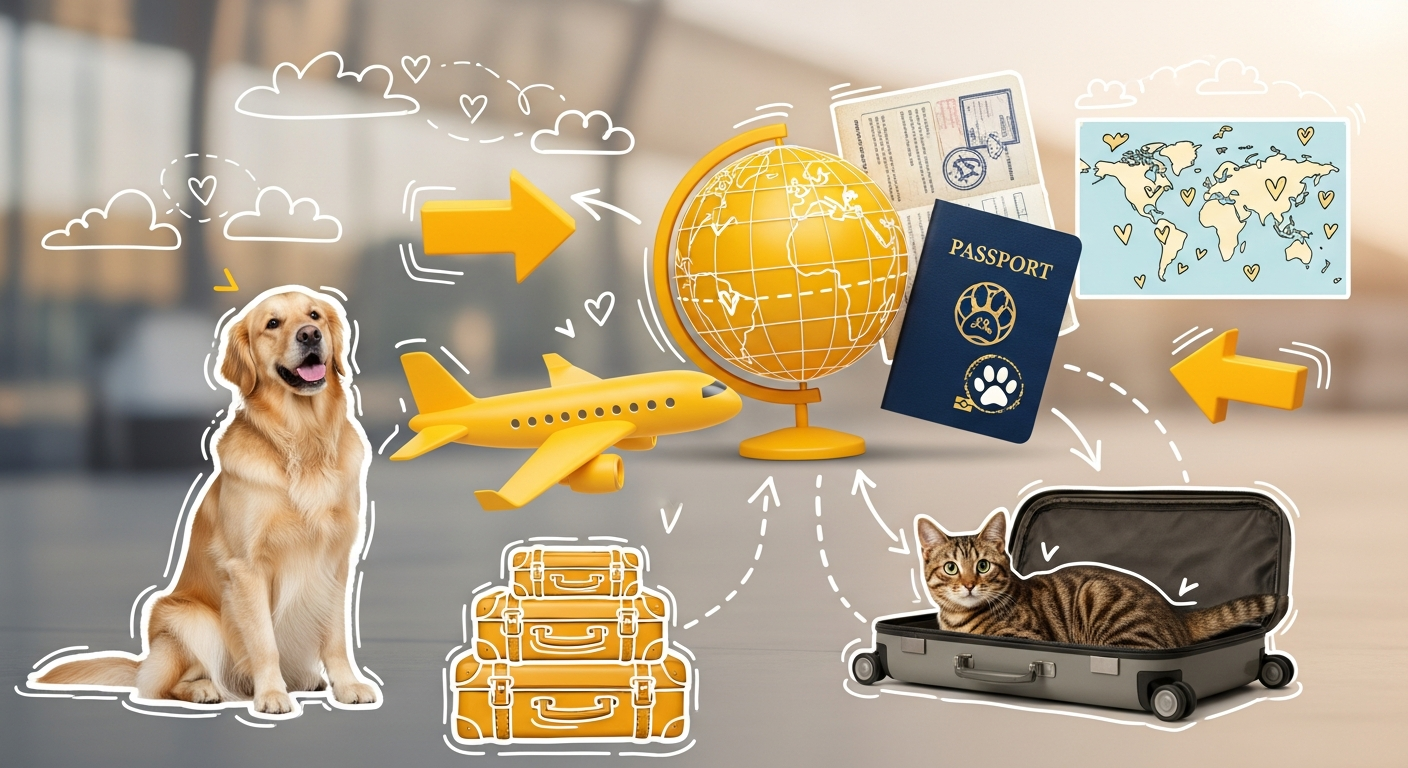
International pet relocation is a complex process that requires careful preparation and attention to detail. Whether you're moving abroad, traveling with your companion, or arranging medical tourism for your pet, proper planning ensures your furry friend arrives safely, comfortably, and ready to reunite with you at your destination.
Pet Holiday Club specializes in international pet air transportation, including medical tourism services and service animal coordination.
We work with clients worldwide—from Europe and Asia to North and South America—ensuring safe delivery of pets to over 20 countries.
Why Choose Pet Holiday Club?
Our company offers comprehensive solutions for pet transportation:
- 🌍 International Expertise: We navigate regulations and requirements across 20+ countries in Europe, Asia, North America, and South America
- 🩺 Medical Tourism for Pets: We organize transportation for pets requiring specialized veterinary care abroad
- 🐾 Service Animal Support: Specialized coordination for guide dogs, hearing dogs, and other service animals
- 📋 Complete Documentation Management: Processing all necessary health certificates, permits, and endorsements
- ✈️ Interactive Flight Mapping: Track available routes and plan optimal transportation paths
Preparing for Air Travel: Your Step-by-Step Guide
1. Veterinary Certificates and Documentation
International pet travel requires strict compliance with veterinary regulations. Pet Holiday Club assists you with:
- ●Obtaining international veterinary health certificates tailored to destination country requirements
- ●Securing necessary import/export permits for animals
- ●Coordinating endorsements with government agencies (USDA, APHIS, DEFRA, and others)
- ●Verifying vaccinations and microchip compliance with international standards
- ●Arranging rabies antibody titer tests (required for many countries)
2. Selecting and Preparing Your IATA-Compliant Travel Crate
Your pet's travel crate must meet IATA (International Air Transport Association) standards. Key requirements include:
- ●Size: Your pet must be able to stand, turn around, and lie down in a natural position
- ●Material: Sturdy plastic or fiberglass construction with metal door
- ●Ventilation: Openings on all sides for proper air circulation
- ●Security: Reliable locks preventing accidental opening
- ●Labeling: 'Live Animal' stickers, directional arrows indicating 'This Way Up', and owner contact information
3. Bedding and Comfort Inside the Crate
Proper crate setup ensures your pet's comfort during the journey:
- ●Use a lightweight blanket, breathable cotton towel, or specialized crate travel mat
- ●Place an absorbent puppy training pad underneath for extra padding and hygiene
- ●Skip the toys—they can become choking hazards. Instead, include a small article of clothing (old t-shirt, sock, or towel) with your scent
- ●Familiar scents provide comfort during travel and reduce stress levels
4. Feeding Schedule and Hydration Before Flight
Proper feeding protocols are critical for safe transportation:
- ●Empty Stomach: Do not feed your pet for 5-6 hours before departure. This reduces travel sickness and ensures a more comfortable journey
- ●Water: Freeze water in the crate bowls the night before. Ice will melt slowly, providing continuous hydration throughout the flight
- ●Alternative: Add ice cubes to the bowls just before departure
- ●In-Transit Food: Pet Holiday Club can arrange feeding during transit stops. Notify us of any food allergies in advance. You may send up to 2 cups (16 oz) of dry kibble in a clear bag
Health and Safety During Transportation
Preventing Dehydration in Pets During Air Travel
It's common for pets to arrive slightly dehydrated after long flights. This is normal—aircraft holds are dry environments, and some pets refuse to drink while in transit.
Recommendations for older cats and dogs:
- ✅Consult your veterinarian about administering subcutaneous fluids before travel
- ✅This is especially important for animals with chronic kidney or heart conditions
- ✅Pre-hydration helps pets tolerate the journey more comfortably
Preventing Bloat or Gastric Dilation-Volvulus (GDV) in Dogs
Large, deep-chested dogs (Great Danes, Dobermans, Setters, and others) are prone to bloat—a life-threatening condition that can occur when excited dogs eat, drink, or run rapidly after arrival.
Post-arrival precautions:
- ✅Use a slow feeder bowl. Start with half their normal serving and gradually return to full portions over 48 hours
- ✅Limit water intake initially—offer small amounts and increase slowly over 48 hours
- ✅Avoid excessive exercise or running until your pet calms down after greeting you
- ✅Allow your pet time to decompress during the first 24 hours
Nail Care Before Travel
Clip your pet's nails several days before departure. Short nails prevent snagging on the crate grill and reduce the risk of injury during transit. This simple measure significantly improves safety.
Medication and Sedation Rules for Air Travel
Daily Medications
If your pet takes regular medication, inform Pet Holiday Club in advance:
- ●Medication must be in the original prescription bottle or blister pack
- ●Include a veterinary note indicating the last dose and administration schedule
- ●Send only the quantity required for the duration of travel
- ●Ensure the packaging clearly shows the pet's name, medication name, and dosage
Sedation and Tranquilizer Ban
IMPORTANT: Sedatives and tranquilizers are PROHIBITED for pet air travel.
⚠️ Critical Safety Warning
At high altitude, sedatives can cause dangerous drops in blood pressure, impaired thermoregulation, respiratory and cardiac depression, disorientation, and dehydration. Sedation is the number one cause of in-flight complications. Airlines will not accept liability for sedated animals.
Safe alternatives for anxious pets:
- ●Adaptil or Rescue Remedy (for dogs)—natural calming aids
- ●Feliway pheromone spray (for cats)
- ●Gentle exercise before travel helps reduce anxiety
- ●Crate training 2-3 weeks before travel (positive associations with the carrier)
Tracking and Personal Items
GPS Trackers and AirTags
DO NOT attach Apple AirTags or other GPS tracking devices to your pet's crate or collar. Airlines require pets to pass through security screening, and all tracking devices will be removed before cargo acceptance.
Pet Holiday Club provides professional tracking of your pet's journey with regular status updates at every stage of travel.
Leash, Collar, and Harness
These accessories can travel with your pet:
- ●Secure them in a plastic pouch attached to the crate or clipped through ventilation windows
- ●Important: Do not send items of significant sentimental or monetary value, as they travel at owner's risk
- ●Bedding may be discarded if soiled during the flight
- ●Airlines and agents are not responsible for lost personal items
Pet Holiday Club Services
Pet Holiday Club is more than a transportation company. We provide comprehensive solutions for pet owners traveling worldwide.
International Routes
We organize pet transportation to the following regions:
- Europe: Austria, Denmark, France, Germany, Italy, Netherlands, Portugal, Spain, Sweden, Switzerland
- Asia: China, South Korea, India, Singapore, Japan, Malaysia, Thailand, Turkey, UAE
- North America: Canada, USA
- South America: Argentina, Brazil
Medical Tourism for Pets
We specialize in organizing transportation for pets requiring specialized veterinary care abroad. This includes:
- ●Coordination with overseas veterinary clinics
- ●Urgent transportation arrangements for emergency cases
- ●Special medical accompaniment during transit
- ●Processing all necessary medical documentation for border crossing
Service Animals
We understand the critical importance of service animals to their handlers. Pet Holiday Club provides specialized services for:
- ●Guide dogs and hearing dogs
- ●Emotional support animals
- ●Working dogs (police, customs, search and rescue)
- ●Special documentation processing for service animals
Interactive Tools
Our website features convenient services for journey planning:
- ●Interactive Map: Visualize available routes and optimal transportation paths
- ●Flight Search: Current information on pet-friendly flights
- ●Documentation Hub: Knowledge base about different country requirements
- ●Marketplace: Products and services for pet travel
Preparation Timeline
Planning international pet relocation requires time. We recommend starting preparations at least 3-6 months before your planned departure date.
3-6 Months Before Travel
- ●Contact Pet Holiday Club for consultation
- ●Research destination country requirements (vaccination, microchipping, quarantine)
- ●Install or verify microchip (must comply with ISO 11784/11785 standard)
- ●Administer rabies vaccination (if update required)
- ●For certain countries: Conduct rabies antibody titer test (requires 3-6 month waiting period)
1-2 Months Before Travel
- ●Order IATA-compliant travel crate in appropriate size
- ●Begin crate training with positive reinforcement
- ●Book flight through Pet Holiday Club
- ●Apply for import permit (if required)
1-2 Weeks Before Travel
- ●Visit accredited veterinarian for international health certificate
- ●Obtain required parasite treatments (if necessary)
- ●Trim your pet's nails
- ●Pet Holiday Club arranges certificate endorsement with government agencies
1-2 Days Before Departure
- ●Prepare crate: bedding, frozen water, familiar clothing item
- ●Pack small amount of food in clear bag (up to 2 cups)
- ●Ensure all documents are complete and accessible
- ●Receive final instructions from Pet Holiday Club
Day of Departure
- ●Do not feed pet 5-6 hours before departure
- ●Allow final walk before departure
- ●Pet Holiday Club arranges airport delivery and cargo check-in
- ●Receive status updates throughout the journey
After Arrival: Reunion and Adaptation
The first hours and days after a long journey are critical for your pet's health and comfort.
First 24 Hours
- ●Offer water immediately upon arrival, but in small amounts
- ●Feed half their normal portion using a slow feeder bowl (especially for large dogs)
- ●Provide a quiet, calm space for rest
- ●Avoid vigorous play—short, calm walks for dogs
- ●Monitor for signs of stress or illness
First 48-72 Hours
- ●Gradually increase food portions to normal amount
- ●Normalize water intake
- ●Resume regular walking and activity schedule
- ●Monitor appetite, bowel movements, and general behavior
- ●Contact local veterinarian if any concerning symptoms appear
Signs Requiring Veterinary Attention
- ●Refusal to eat or drink for more than 24 hours
- ●Abdominal bloating, vomiting, diarrhea
- ●Difficulty breathing or coughing
- ●Lethargy, disorientation, unusual behavior
- ●Limping or signs of injury
Conclusion: Safe Travel Starts with Proper Preparation
International pet relocation is a significant undertaking that requires careful planning, knowledge of international requirements, and attention to detail. Proper preparation not only ensures your pet's safety but also minimizes stress for the entire family.
🎯 Key Takeaway
Pet Holiday Club is your trusted partner in organizing international pet transportation. We handle all the complexities—from documentation and optimal routing to veterinary coordination—ensuring your pet arrives safely, comfortably, and ready for a joyful reunion.
Frequently Asked Questions
Written by
Max
Chief Pet Officer