How to Reduce Front Desk Overload in a Vet Clinic
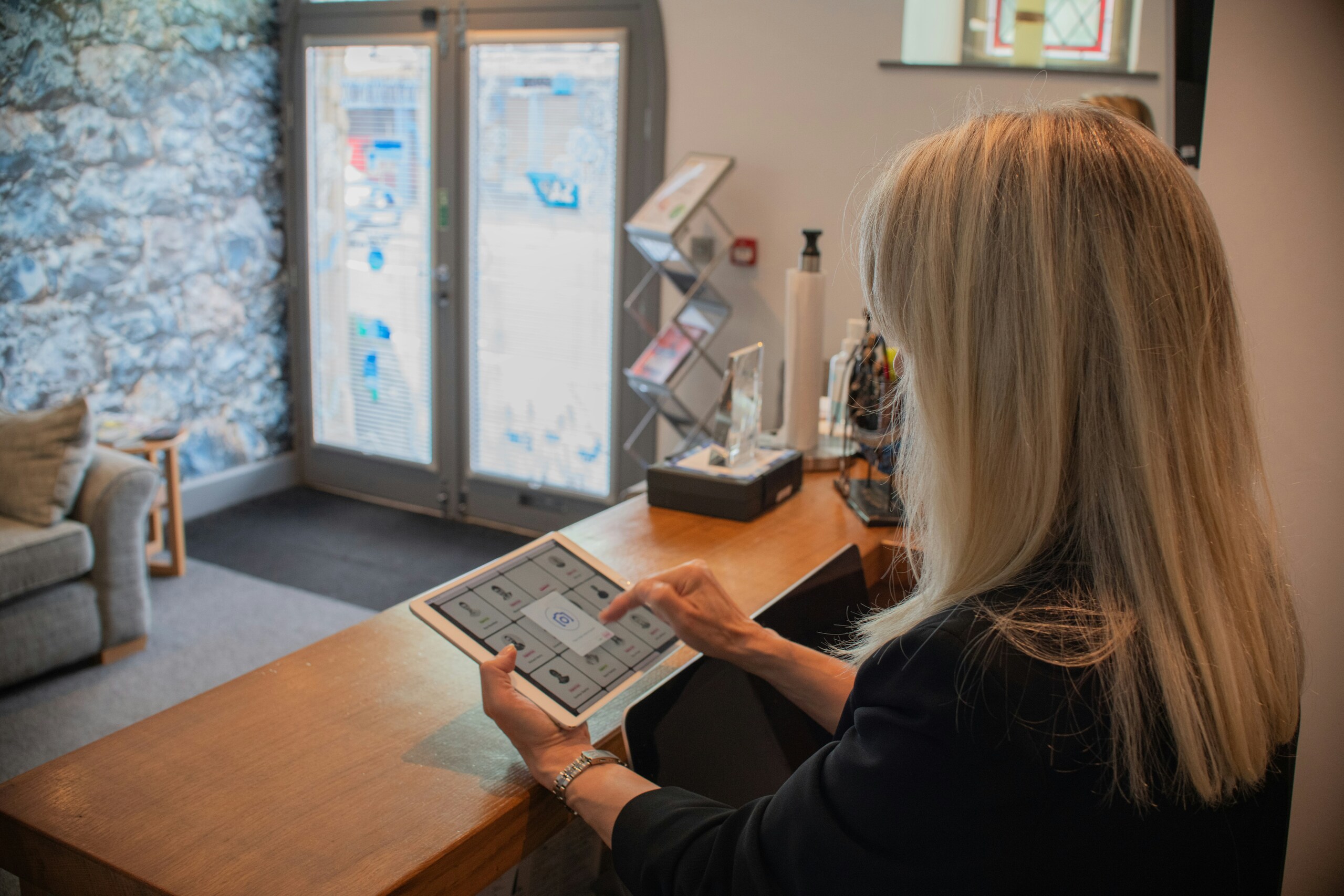
What front desk overload looks like
The phone rings while a client is checking out. A tech walks up with a question about a refill. Someone in the waiting room wants to know how much longer. The receptionist handles all three at once, and it's only 9:40.
Can my pet fly?
The earliest date your pet can travel, and what to do when.
No sign-up, no email. Answers stay in your browser. Open the full tool
Front desk overload is rarely about one big problem. It's dozens of small, routine tasks landing in the same place at the same time. The costs show up as missed calls, rushed check-ins, mistakes on invoices, and staff who leave within a year.
The fix isn't asking the team to work faster. It's taking routine work off the desk entirely, so the people there can focus on clients in front of them and the calls that need a human.
Step 1: find out where the load actually comes from
Before buying anything, spend one normal week tallying every call and walk-up request by reason. A simple sheet at the desk is enough.
Category | Typical examples | Can it leave the phone? |
Booking and rescheduling | New appointments, moving a visit | Yes: online booking and self-rescheduling |
Confirmations and reminders | "Is my appointment still tomorrow?" | Yes: automated SMS and email |
Refills and records | Prescription refills, vaccine records for groomers or boarding | Mostly: online request forms and client portal |
Billing and estimates | Prices, invoice questions, payment | Partly: payment links and published price ranges |
Results and updates | Lab results, "how is my pet doing?" | Partly: portal or SMS updates from the clinical team |
Requirements questions | Pet travel, boarding or daycare rules | Yes: pre-built checklists and links |
Clinical or urgent | Sick pets, emergencies, euthanasia | No: these need a person |
The goal is to keep the last row on the phone and move as much as possible of everything else off it. Digitail points out that the most common front desk frustration isn't difficult clients. It's not knowing the answer, so note which questions staff have to look up or pass to a vet.
Step 2: move routine work out of the phone queue
Online booking and rescheduling. Let existing clients book routine visit types themselves. After introducing online scheduling, one San Diego hospital saw call volume fall by 30%.
Automated reminders and two-way texting. Replace confirmation calls with SMS, and let clients reply by text instead of calling back.
Refill and records requests online. A simple form that lands in a queue is easier to handle than a phone call during check-in.
Payment links. Send invoices by SMS so clients can pay from the car or at home, skipping the checkout line.
Pre-visit intake forms. Collect history, reason for visit and records before the appointment, not at the counter.
Overflow and after-hours call handling. An answering service, virtual assistant or AI voice agent can take messages and book routine visits when the desk is full.
Add these one at a time, starting with the category that dominated your call tally.
Step 3: fix roles, workflows and scripts
Software helps, but staffing patterns cause much of the overload.
Separate phones from check-in at peak times. One person on the phones and one on the counter during morning and evening rushes, even if it means moving a tech or assistant forward for those hours.
Protect breaks. If receptionists eat at the desk, the schedule has no slack.
Write answers for the questions they look up. A short internal FAQ for prices, policies and common requirements stops the "let me check with the doctor" loop.
Script the hard calls. Cost objections, declined care and euthanasia calls go better with an agreed approach and a clear point to hand over to a vet or manager.
Close the loop with clinical staff. Late doctors and delayed results all land at the desk. A quick huddle at the start of each shift on running late, stock issues and pending results saves dozens of awkward calls.
Review regularly. Repeat the call tally every few months to see what's changed.
The calls nobody budgets for: pet travel
Travel questions are some of the longest calls the front desk takes. "What does my dog need to fly to Italy?" has no quick answer, and a wrong one can mean a pet refused at the border.
For a single route the answer is already detailed. For dogs leaving the US for Italy or Costa Rica, Pet Holiday Club's rules base requires an ISO 15-digit microchip implanted before or on the same day as the rabies vaccination, rabies and DHPP at least 30 days before travel, and parasite treatment within 10 days of travel. Every destination, species and airline changes the answer, and receptionists end up searching government sites mid-shift or passing the call to a vet.
Pet Holiday Club takes that research off the desk:
A checklist for the exact route, built from a rules base of around 1,660 rules and matched to origin, destination, species, breed and airline.
Lead times against the travel date, so staff can book vaccine and certificate visits in the right windows.
Owner records checked before the visit. The owner uploads the pet's documents, and the scanner flags gaps against the checklist.
Instead of a long phone call, the front desk points the owner to the checklist, and the owner arrives with the right documents.
See how Pet Holiday Club works →
FAQ
What causes front desk overload in vet clinics?
Routine tasks (booking, confirmations, refills, payments) competing with in-person check-in, plus questions staff can't answer without help.
Will online booking really reduce calls?
It removes the booking and rescheduling calls that clients would rather avoid. One hospital reported a 30% drop in call volume after introducing it.
Should we hire more receptionists?
Sometimes, but first move routine work off the phone and split phone and counter duties at peak times. Otherwise new hires inherit the same overload.
How should we handle pet travel questions?
Don't answer them from memory on the phone. Point owners to a route-specific checklist and book travel visits as two linked appointments.
Further reading on Pet Holiday Club
See more from Pet Holiday Club on Google
Pick us as a preferred source and our pet travel updates show up first in your Google results.