Queen Mary 2 vs K9 Jets vs Bark Air: Dogs Across the Atlantic
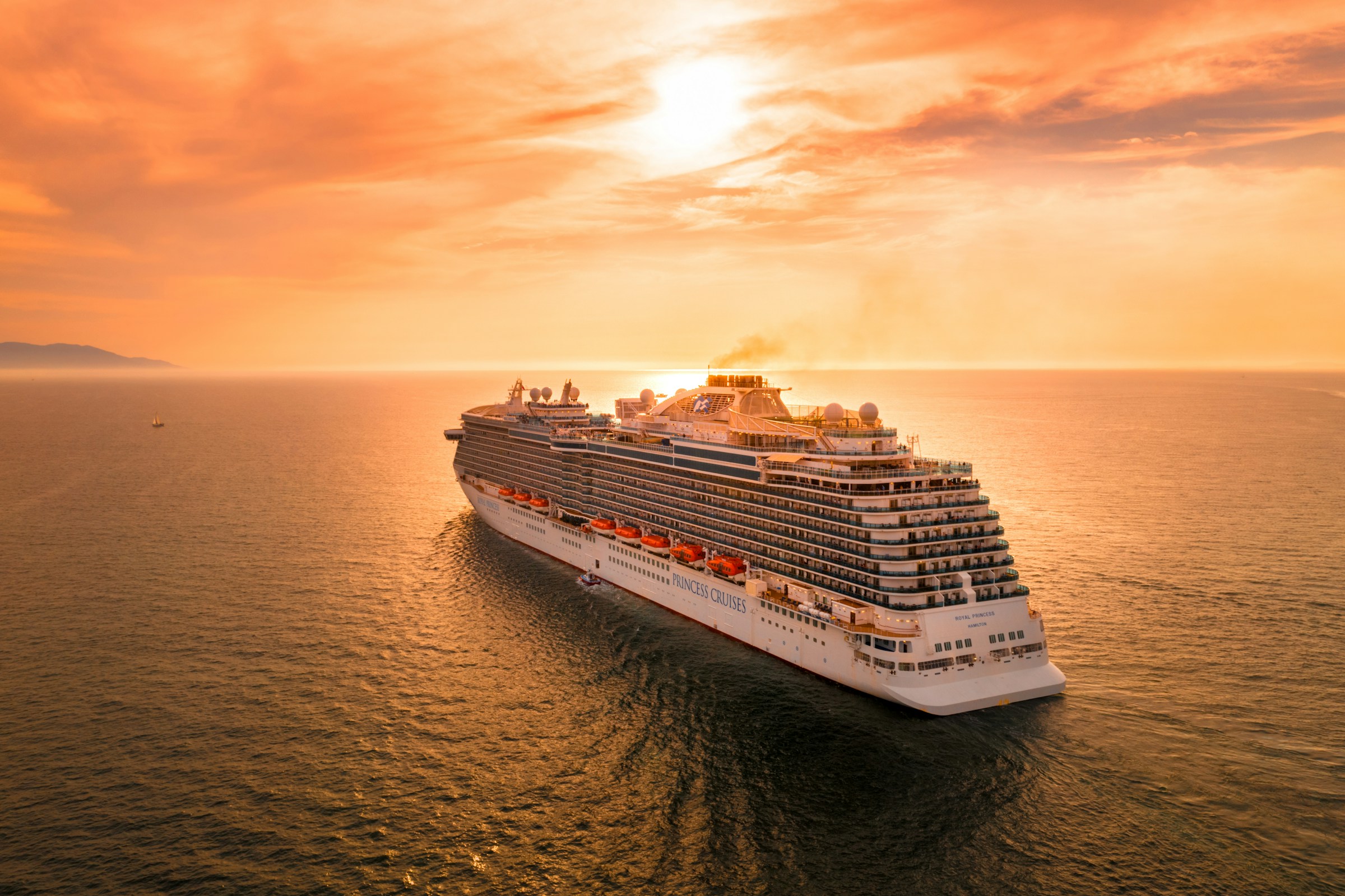
If you're moving a dog between the USA and the UK and you don't want them in the cargo hold, you have three real options: a private pet jet with K9 Jets, a private pet jet with Bark Air, or a week at sea on Cunard's Queen Mary 2.
The jets get you there in a day with your dog at your feet. The ship takes seven nights, and your dog sleeps in a kennel. And one of them costs a fraction of the other two. This guide compares all three on price, comfort, size limits, and paperwork, so you can pick the one that fits your dog and your budget.
The short answer
Cheapest: Queen Mary 2. The kennel costs $1,300 to $1,500 on top of your own fare.
Fastest, with your dog beside you: K9 Jets or Bark Air, at roughly $8,000 to $11,000 per seat.
Best for very large dogs: the jets. Queen Mary 2 has breed and size limits.
Best for a couple travelling with one dog: Queen Mary 2, because the kennel price doesn't change with the number of people.
At a glance
Queen Mary 2 | K9 Jets | Bark Air | |
|---|---|---|---|
Price | Your fare + $1,300–$1,500 kennel | $8,000–$11,000 per seat | $9,350–$9,900 per seat (New York–London, 2026) |
What the price covers | The kennel only | 1 person + 1 dog over 51 lb, or 2 pets under 51 lb | 1 person + 1 dog of any size |
Where your dog travels | Kennel on Deck 12 | In the cabin with you | In the cabin with you |
Journey time | Seven nights | A single flight | A single flight |
Transatlantic routes | New York, Southampton, Hamburg | Teterboro to London, Paris, Frankfurt and more | New York to London, Paris, Lisbon, Madrid |
Size limits | Breed exclusions, up to 34 in long in one kennel | None for dogs | None for dogs |
Prices change by date and route, so check the operator's current fare before you book.
Queen Mary 2: the cheapest way to avoid cargo
Queen Mary 2 is the only ocean liner that takes pet dogs, and it's the most affordable way to cross the Atlantic without putting your dog in the hold. Our pet-friendly cruises guide covers life on board in detail. Here's how it compares with flying.
What it costs. From 2026, kennels cost $1,300 for an upper kennel and $1,500 for a lower kennel. Upper kennels are for pets up to 25 pounds, and lower kennels for pets over 25 pounds. You pay your own fare on top.
Where your dog stays. Your dog does not stay in your cabin. Each dog gets a kennel with bedding, regular meals, and daily outdoor exercise in a gated area on Deck 12. You can visit during set hours, often three times a day.
Size limits. Pets can be up to 34 inches long and 27 inches tall in one kennel. A longer dog, up to 59 inches, can use two adjoining kennels, and you pay for both. Some breeds aren't accepted at all, so check Cunard's list before paying a cabin deposit.
Availability. Kennel capacity is limited to 24 animals per voyage, and crossings often sell out a year in advance. You can book a kennel up to two years ahead.
Health care. Queen Mary 2 has a full-time kennel master but no onboard vet. If your dog has a medical condition that might need a vet mid-ocean, a flight is the safer option.
Prices may rise in 2027. An independent travel agent that books many Queen Mary 2 kennel crossings reports much higher kennel prices for voyages from 2027, including $5,000 for a dog needing two lower kennels. Cunard hasn't published this yet, so confirm prices directly before planning a 2027 crossing.
K9 Jets: the established transatlantic jet
K9 Jets pioneered the shared pet jet: you buy one seat on a private jet where every passenger travels with a dog. Our full K9 Jets review covers the experience in detail.
What it costs. K9 Jets seats typically cost $8,000 to $11,000 per sector. A ticket covers one person and one dog over 51 pounds, or up to two pets under 51 pounds each, which makes it good value if you have two smaller dogs.
Where your dog travels. In the cabin with you. There are no crates: dogs lie at your feet or on the seat, and only need a harness or lead for taxiing, take-off and landing.
Routes. K9 Jets has the most established transatlantic schedule, linking Teterboro in New Jersey with London, Paris and Frankfurt. Flights only go ahead once enough seats are sold, so read the confirmation rules before you plan a move around a date. Our K9 Jets routes guide explains how that works.
Best for: relocations, owners of two dogs under 51 pounds, and dogs who settle best in a quiet cabin.
Bark Air: the dog-first luxury jet
Bark Air runs the same shared-jet model with a stronger focus on the dog's experience. Our Bark Air review covers what happens on board.
What it costs. New York to London seats on Bark Air's Gulfstream GIV are priced at $9,350 for summer and autumn 2026 dates, with some dates higher. Each ticket covers one person and one dog, whatever the dog's size, and Bark Air includes a car transfer within 30 miles of the airport.
Watch the cost for couples. One ticket covers one person, so a couple with one dog needs two tickets. On the New York to London route, that's close to $19,000 each way, compared with one kennel fee on Queen Mary 2.
Routes. Bark Air flies from New York to London, Lisbon, Madrid and Paris, plus Los Angeles and San Francisco in the US.
Best for: anxious dogs who do well with active calming and attention, and very large breeds that are over Queen Mary 2's limits.
For a head-to-head on the two jets, see our K9 Jets vs Bark Air comparison, or our ranking of the top 5 private jet services for pets.
Which one should you choose?
Your situation | Best option | Why |
|---|---|---|
One large dog, tight budget | Queen Mary 2 | $1,300–$1,500 kennel vs $8,000+ seat |
A couple with one dog | Queen Mary 2 | One kennel fee, however many people travel |
Two dogs under 51 lb, one owner | K9 Jets | One ticket covers both dogs |
A giant or excluded breed | K9 Jets or Bark Air | No breed or size limits for dogs |
An anxious dog who needs you close | K9 Jets or Bark Air | Your dog stays at your feet |
A dog with a medical condition | K9 Jets or Bark Air | No vet on board Queen Mary 2, and the jets take hours, not days |
A move with a fixed date | K9 Jets or Bark Air | Frequent flights, while kennel crossings sell out a year ahead |
Paperwork: the same rules, different timing
Choosing a ship or a jet doesn't change the border rules. What changes is the timing, and one rule works very differently at sea. These requirements come from the Pet Holiday Club rules base.
USA to the UK (eastbound)
1. Restrictions that stop the trip. Dogs under 6 months old cannot be brought into Great Britain, and a dog more than 42 days pregnant is restricted from entering (Animal Welfare (Import of Dogs, Cats and Ferrets) Act 2025).
2. Medical requirements.
An ISO 11784/11785-compliant 15-digit microchip, implanted before or on the same day as the rabies vaccination.
A valid rabies vaccination given after the microchip.
Tapeworm treatment given by a vet, no less than 24 hours and no more than 120 hours before entry. On a jet, you book the vet appointment 1 to 5 days before your flight. On Queen Mary 2's seven-night crossing, treatment given in New York falls outside the window, so ask Cunard before you sail how it's handled on board.
Documents. A Great Britain pet health certificate signed by an official veterinarian, with your dog entering Great Britain within 10 days of it being issued, plus USDA APHIS endorsement where required and a non-commercial declaration. On Queen Mary 2, those 10 days include most of the crossing, so time the certificate against your arrival date, not your departure.
Travel day. Your dog must enter Great Britain on an approved route with an approved travel company. By air, Great Britain only allows pets in the cabin on an approved private charter or as a recognised assistance dog. Confirm your jet is approved for pet entry before you book.
Arrival. Expect a document check and possibly a brief vet examination. Any illness or infestation can lead to refused entry or quarantine at your expense.
For every detail, see our guide to bringing a dog from the USA to the UK in 2026.
UK to the USA (westbound)
1. Restrictions that stop the trip. Dogs younger than 6 months cannot enter or return to the United States.
2. Medical requirements. An ISO-compliant microchip, a rabies vaccination given after the microchip at least 30 days before travel, and a current DHPP vaccination at least 30 days before travel.
3. Documents. Every dog needs a CDC Dog Import Form receipt before arrival, one form per dog. If your dog has only been in dog-rabies-free or low-risk countries, such as the UK, in the 6 months before entry, that receipt is the only CDC document required. If your travel details change, you may need a new form.
4. Arrival. Your dog's microchip and documents are checked on arrival. If the microchip can't be read or doesn't match the documents, entry can be refused.
Build a checklist for your crossing
Whether you sail or fly, Pet Holiday Club builds a checklist for your exact route, including the tapeworm and health certificate timing for your arrival date.
Frequently Asked Questions
What is the cheapest way to take a dog from the USA to the UK without cargo?
Queen Mary 2. The kennel costs $1,300 to $1,500 per crossing, plus your own fare, compared with roughly $8,000 to $11,000 per seat on a private pet jet.
Is Queen Mary 2 a good alternative to K9 Jets?
Yes, if your dog meets Cunard's breed and size limits and you have a week to travel. Your dog stays in a kennel rather than with you, and there's no onboard vet.
Can my dog stay in my cabin on Queen Mary 2?
No. Dogs stay in the kennels on Deck 12. You can visit, feed, and walk your dog during set hours.
Which is better for a large dog, K9 Jets or Bark Air?
Both take dogs of any size in the cabin. Bark Air's ticket covers one dog of any size, while K9 Jets' ticket covers one dog over 51 pounds or two under.
How far ahead should I book?
Book Queen Mary 2 kennels 12 to 24 months in advance, as crossings often sell out a year ahead. Pet jets have more frequent flights, but popular dates still fill up.
Does my dog need tapeworm treatment on Queen Mary 2?
Yes. Dogs entering Great Britain need tapeworm treatment 24 to 120 hours before arrival. Because the crossing lasts seven nights, check with Cunard how it's handled on board.