Pet Health Certificates in Veterinary Practice: Running the Service
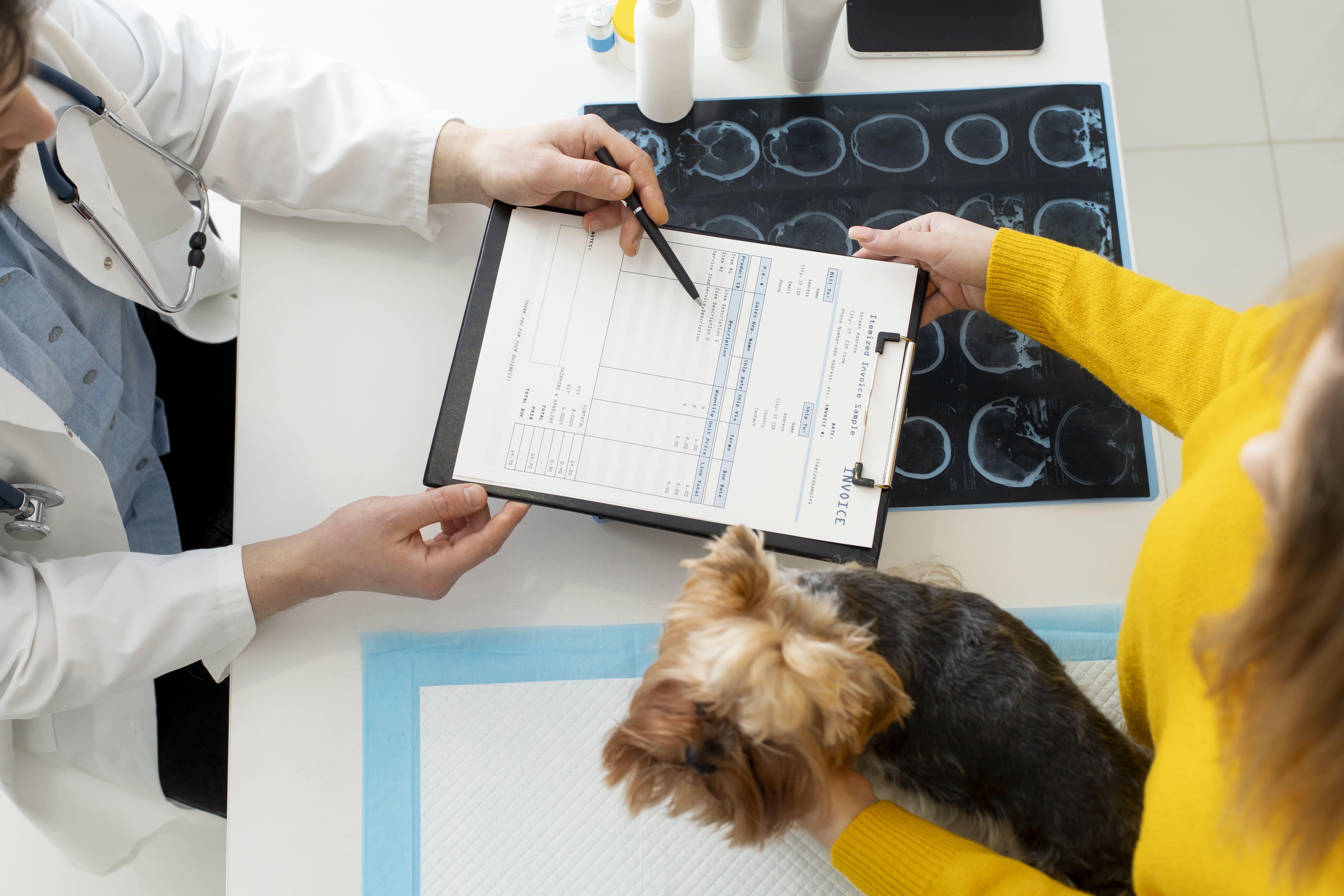
For most clinics, pet health certificates arrive as a series of one-off favours. A client calls a week before a flight, a vet spends an evening on a destination's requirements, a tech chases rabies records, and the certificate goes to USDA with fingers crossed. Every case is handled from scratch, and the work rarely gets charged in full.
Clinics that do this well treat health certificates as a service line, with a set intake, a set appointment structure, clear roles and a final check before anything is signed. This guide sets out that structure, using route requirements from Pet Holiday Club's rules base to show where the time and risk sit.
Can my pet fly?
The earliest date your pet can travel, and what to do when.
No sign-up, no email. Answers stay in your browser. Open the full tool
Why health certificates go wrong in clinics
The medicine is rarely the problem. The problems are timing and information:
When can the vet issue the health certificate?
Enter your arrival date, get the days to book the vet.
The client arrives too late. Many routes need work done weeks before departure. In Pet Holiday Club's rules base for dogs travelling from the US to Italy or Costa Rica, rabies and DHPP vaccinations must be given at least 30 days before travel. A client who calls 10 days out can't be helped in time.
The order of steps is wrong. The microchip must be implanted before or on the same day as the rabies vaccination. A rabies shot given before the chip doesn't count, and the pet needs a new primary vaccination.
Each destination has its own form. The UAE uses its own MOCCAE template; the EU switched to new certificate templates in October 2026. A form saved from last year can sink an otherwise perfect case.
Details don't match. In our rules base, a microchip number that doesn't match the documents, or can't be read, invalidates them all at the border.
Each of these is a process failure, and each can be fixed with a process.
Step 1: set up intake before anything is booked
The first contact decides whether the case is possible. Train the front desk to collect these details on the first call or form:
Ask for | Why | |
Destination, and any connecting countries | Decides the certificate and the rules | |
Departure date | Decides whether the timing still works | |
Species, breed and age | Age limits apply: dogs under 6 months can't enter the US, and pets under 16 weeks can't enter Italy | |
Airline and whether the pet flies in cabin or cargo | Airline rules and breed restrictions vary | |
Every rabies certificate since the microchip | Shows whether vaccinations are current and in the right order | |
Microchip number and implant date | Must match every document |
If the departure date is too close for the destination's windows, say so at intake rather than booking an appointment that can't produce a valid certificate.
Step 2: book health certificates as linked visits
Most international cases need two visits, counted back from the departure date. Using the rules base windows for dogs travelling from the US:
Visit | What happens | Timing |
Visit 1 | Microchip check or implant, rabies vaccination, DHPP | At least 30 days before travel |
Visit 2 | Parasite treatment, clinical exam, certificate | Within 10 days of travel for parasite treatment; Costa Rica requires the exam within 2 weeks of travel |
Book both visits at intake. Make health certificates a dedicated appointment type with a longer slot than a wellness exam, bookable by staff only, so a client can't self-book a 15-minute slot for a complex case.
Step 3: give each role a clear job
Role | Responsibility | |
Front desk | Intake questions, booking both visits, collecting records | |
Vet technician | Checking records against the route's requirements, scanning the microchip, preparing the form | |
USDA-accredited vet | Examining the pet, confirming the certificate, signing and submitting for endorsement | |
Practice manager | Pricing, templates, tracking endorsement turnaround |
Step 4: price the work you actually do
Many clinics charge an exam fee and absorb the rest. A health certificate service usually includes several separate pieces of work:
The consultation and exam, often across two visits.
Records review and research for the destination's requirements.
Form preparation and submission for USDA endorsement.
Vaccines, treatments and any tests.
Price them separately or as a clear package per visit. Tell clients upfront that the USDA endorsement fee is separate: according to the USDA APHIS endorsement fee schedule, it starts at $101 per certificate when no lab tests are listed (USDA APHIS: Cost to endorse).
Step 5: check before you sign
Run the same final check on every certificate:
Is the form the current version for this destination?
Does the microchip number match the scan, the certificate, every rabies certificate and any lab report?
Was the rabies vaccination given after the microchip, and at least 30 days before travel?
Is the parasite treatment within its window?
Is the departure date still the same? A changed date can push the certificate or treatments out of their windows.
Is there time for endorsement and, where required, for the paper copy to come back by mail?
Get the route requirements before the first visit
The research step is where clinics lose the most time. Pet Holiday Club builds a checklist for each route from our rules base of 1,661 requirement items across 238 countries and 131 airlines. It's matched to origin, destination, species, breed and airline, set out in journey order (restrictions, medical, documents, travel day, arrival), with lead times counted back from the travel date. Owners upload the pet's documents, and the scanner flags gaps before they book, so they arrive at your clinic with the right records.
See how Pet Holiday Club works →
Frequently Asked Questions
How far in advance should clients book a health certificate appointment?
For many international routes, at least 30 days before travel, because rabies and DHPP vaccinations must be given at least 30 days before departure. Some destinations need much longer, especially those requiring a rabies antibody test.
How many visits does a pet health certificate need?
Most international cases need two: one at least 30 days before travel for vaccinations, and one close to departure for parasite treatment, the exam and the certificate.
Should clients be able to book health certificates online?
It's safer to keep them staff-booked. The appointment depends on the destination and travel date, which need checking before a slot is confirmed.
Is the USDA endorsement fee included in the clinic's fee?
No. USDA APHIS charges its own endorsement fee, starting at $101 per certificate with no lab tests listed. Tell clients it's separate.
What is the most common reason a health certificate fails?
Timing and mismatched details: a rabies vaccination given before the microchip or too close to travel, or a microchip number that doesn't match every document.
Further reading on Pet Holiday Club
See more from Pet Holiday Club on Google
Pick us as a preferred source and our pet travel updates show up first in your Google results.