How to Keep Your Pet Calm During a Long International Flight
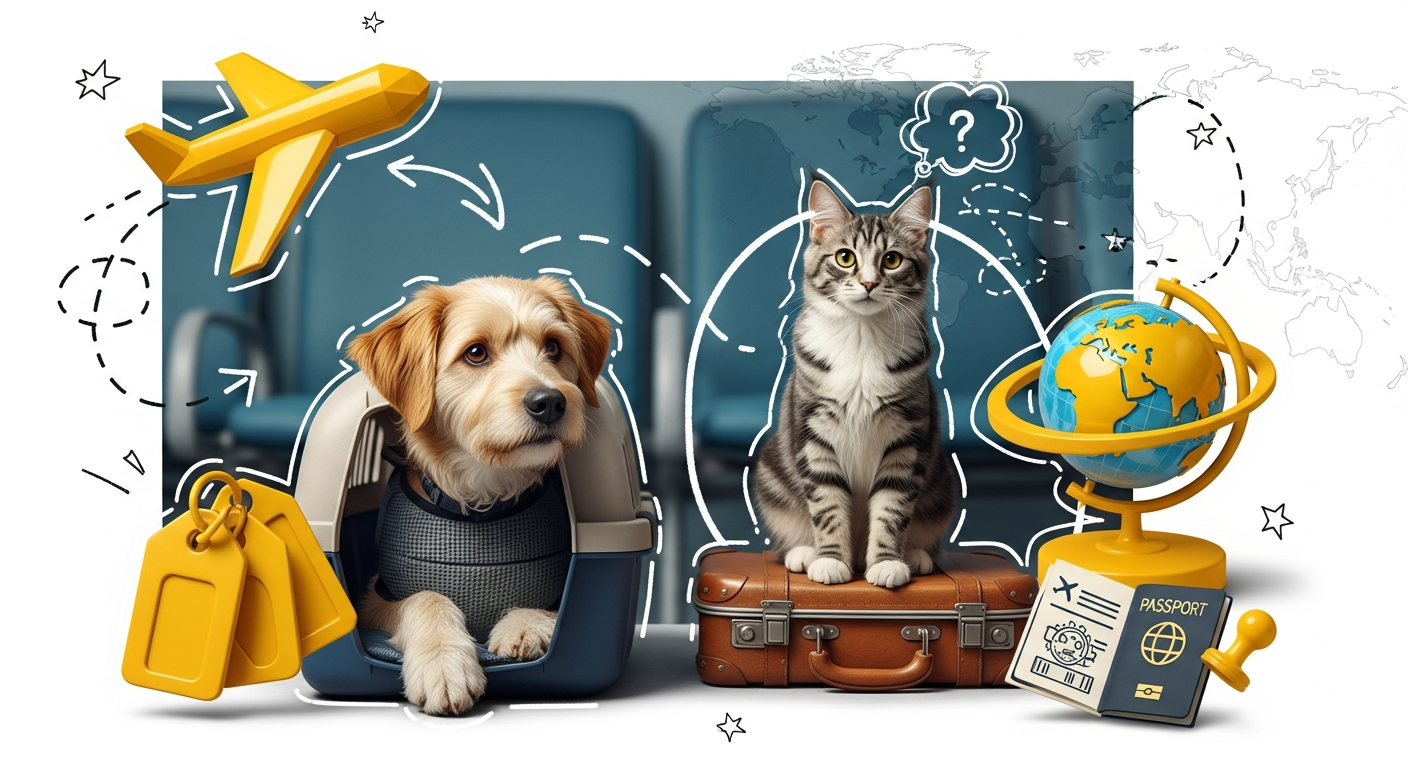
For many pets, an international flight is the most stressful experience of their lives. But with the right preparation, you can significantly reduce your pet's anxiety and make the journey as comfortable as possible. Here are the most effective strategies, recommended by veterinary professionals.
🩺 Start With a Vet Consultation
Before any long-haul flight, consult your vet about your specific pet's suitability for air travel. Some pets - particularly those with respiratory conditions, heart problems, or extreme anxiety - may not be good candidates for long flights. Your vet can also advise on whether any medication or calming supplements are appropriate.
✈️ Choose the Right Carrier
The carrier is your pet's safe space during the journey. It should be IATA-approved, large enough for your pet to stand, turn around, and lie down, and familiar before the trip. Leave the carrier out at home for several weeks before the flight, encouraging your pet to sleep and rest in it voluntarily. A familiar smell is deeply comforting to both dogs and cats in an unfamiliar environment.
🐾 Exercise Before the Flight
If you are travelling with a dog, ensure they have thorough exercise in the hours before your flight. A tired dog is a calmer dog. Avoid feeding a large meal immediately before travel - an empty stomach reduces the risk of nausea - but do ensure your pet is well hydrated.
💡 Pro Tip: Use Familiar Items
Place a worn item of your clothing inside the carrier. Your scent is one of the most powerful calming signals for a pet. A favourite toy or blanket can also provide comfort. Avoid washing these items before the trip - the familiar scent is the whole point.
🌿 Natural Calming Aids
A number of natural calming products are widely used for pet travel, including pheromone sprays (such as Adaptil for dogs and Feliway for cats), calming chews containing L-theanine or chamomile, and anxiety wraps. These can be used in combination and do not require a prescription. Discuss options with your vet well in advance of the trip.
⚠️ Avoid Sedation Unless Medically Necessary
Sedating pets for air travel is generally not recommended by veterinary or airline authorities. Sedation can affect a pet's ability to balance and stabilise themselves during turbulence and can cause respiratory complications at altitude. If your vet does prescribe sedation, do a trial at home first to assess the effect.
🎯 Key Takeaway
With the right preparation, most pets tolerate long-haul flights remarkably well. The key is familiarisation, calm departure, and the right environment inside the carrier. Pet Holiday Club helps you prepare not just the documents, but the entire travel experience for your pet.