How do you travel with a cat in 2026? part 1: Preparation is key?
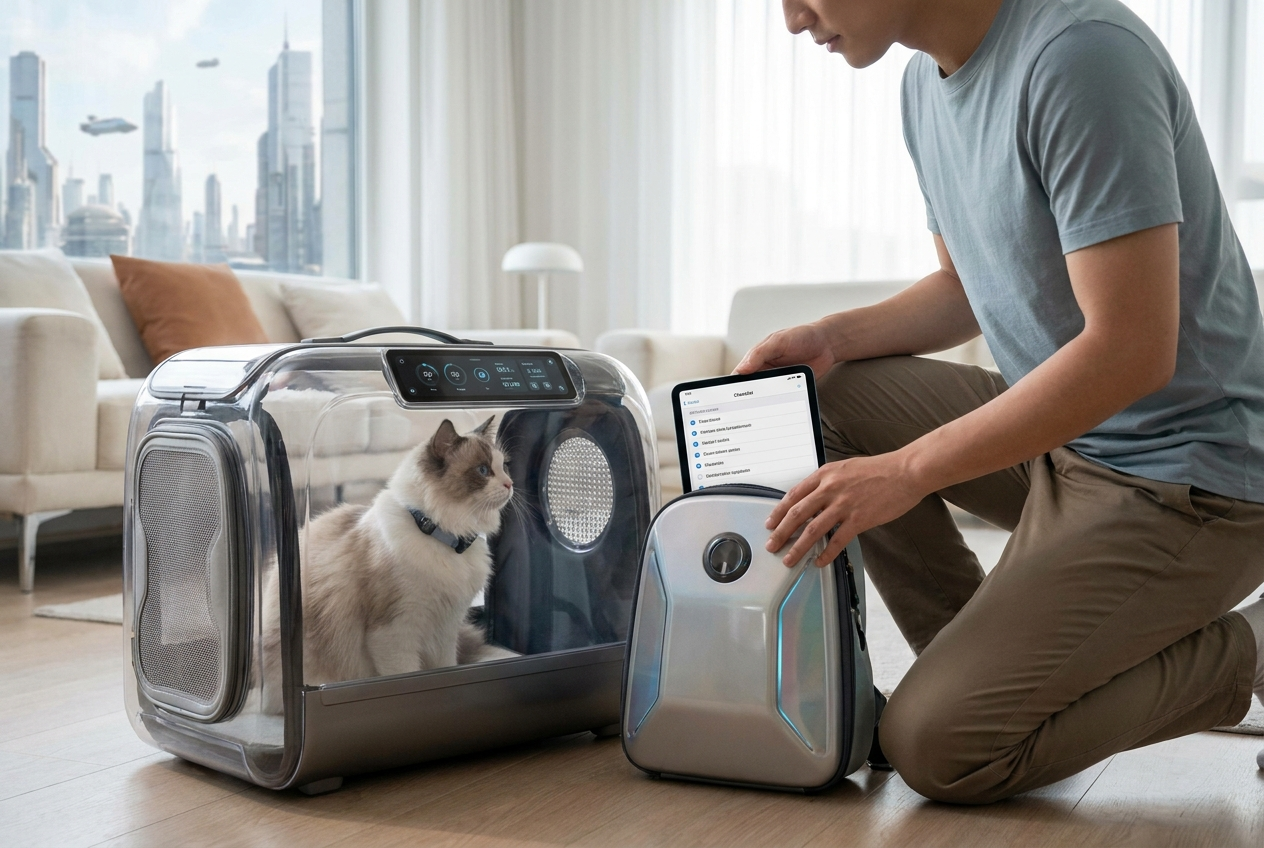
Traveling with a cat is a completely different operational challenge than journeying with a dog. While a dog often views a change of scenery as a grand, exciting adventure, a cat generally experiences a break in their daily routine as an existential threat to their territory. Because cats are deeply attached to their physical environments, forcing them into an unfamiliar transit scenario without a roadmap can cause intense vocalizing, severe psychological stress, and messy bathroom accidents.
As part of the evolving 2026 "Pawprint Economy", modern airlines, hotels, and cross-border biosecurity agencies are providing more integrated spaces for companion animals than ever before. However, these premium travel spaces come with strict rules. If you do not prepare your feline companion correctly at home, the entire travel experience can break down before you even arrive at the departure terminal. Find out exactly which document your pet needs at PetHolidayClub.com to coordinate your journey perfectly. Let's look at the essential pre-travel preparation pillars for cats this year.
The Feline Pre-Travel Operational Matrix
Managing a successful cat journey requires matching behavioral conditioning with strict regulatory timelines:
Pillar 1: Spatial Carrier Acclimation
Target Timeline: 45 Days Before Departure
Core Objective: Transform the travel carrier from a frightening confinement box into a secure, scent-aligned sanctuary.
Practical Steps: Leave the carrier open in living spaces, use scent-soaking blankets, and utilize high-value liquid treat rewards.
Pillar 2: Veterinary Chronology Validation
Target Timeline: 30 Days Before Departure
Core Objective: Complete exact microchip and vaccination sequencing to satisfy updated global border laws.
Practical Steps: Ensure the 15-digit ISO microchip is recorded prior to or on the exact day of the primary rabies immunization.
Pillar 3: Litter Box & GI Tract Logistics
Target Timeline: 12 Hours Before Departure
Core Objective: Prevent motion sickness and litter accidents by implementing structured fasting windows and absorbent base layers.
Practical Steps: Withhold solid foods for 12 hours, use a cardboard-reinforced puppy pad base, and prepare a collapsible nylon travel pan.
Pillar 1: Reversing Carrier Phobia Through Spatial Conditioning
The absolute most common mistake cat owners make is keeping the travel carrier hidden away in a basement or a dark closet, only pulling it out on the frantic morning of departure. Cats are highly perceptive creatures; the sudden appearance of the containment box instantly signals an impending trip to the vet or a traumatic environment shift. This triggers a massive spike in adrenaline before your cat even sets foot outside your front door.
[Carrier Hidden in Closet] ➔ [Sudden Travel Day Appearance] ➔ [Instant Feline Panic]
                                      vs.
[Carrier Open in Living Room] ➔ [Scent-Soaking & Treat Feeds] ➔ [Secure Travel Safe-Haven]
Permanent Environmental Integration:
At least 45 days before your scheduled travel date, place your airline-approved carrier directly in a high-traffic room where your cat naturally chooses to relax. Remove the front door completely or prop it open securely so it cannot accidentally slam shut and startle them.
The Scent-Soaking Secret:
Cats navigate their world primarily through olfactory mapping. To make the carrier feel safe, you must strip away its synthetic manufacturing smell and replace it with familiar pheromones. Place a soft piece of your unwashed clothing or their preferred sleeping blanket inside the carrier. You can also take a clean microfiber cloth, rub it gently around your cat's cheeks and forehead to collect their natural facial pheromones, and wipe the inside walls of the carrier.
High-Value Dietary Association:
Turn the interior of the carrier into a premium dining spot. Begin tossing irresistible, high-value treats (such as freeze-dried chicken or liquid puree treats) into the back of the carrier every afternoon. Once your cat comfortably reaches inside to grab the reward, transition to feeding them their regular breakfast or dinner bowls directly inside the open unit.
Gradual Vehicle Desensitization:
Once your cat is voluntarily napping inside the carrier at home, begin executing low-stakes movement test runs. Secure your cat calmly inside the carrier, carry them out to your vehicle, and clip the unit safely onto the back seat using the seatbelt path. Start your car's engine so they can get used to the low rumble and vibration without actually leaving the driveway. Gradually scale these trials up to a quick drive around the block, always providing an immediate reward upon returning indoors.
Pillar 2: Flawless Medical Sequencing and Global Regulations
Whether you are embarking on a cross-country domestic flight or relocating permanently to an international destination, your cat's medical paperwork must be executed in a flawless chronological order. Under modern border frameworks, including Commission Delegated Regulation (EU) 2026/131, customs inspectors use a zero-tolerance validation process. One single inverted date or a clerical error will result in denied entry or an expensive, mandatory facility quarantine.
       [CORRECT MICROCHIP TIMELINE SEQUENCE]
                          |
   [Step 1: Scan/Implant 15-Digit ISO Microchip]
                          |
                          v
  [Step 2: Administer Anti-Rabies Immunization]
                          |
                          v
  [Step 3: Clear the 21-Day Border Stand-Down]
The Microchip-First Mandate:
The absolute golden rule of international live animal transport is that your cat's 15-digit ISO 11784/11785 compliant microchip must be implanted, or officially scanned and recorded, before or on the exact same day as their primary rabies vaccination. If your veterinary paperwork shows that the rabies shot was administered even one day before the microchip number was officially logged, international customs authorities will declare the entire vaccine history invalid. This will force you to restart the entire medical protocol from scratch at the border.
The 21-Day Primary Vaccine Stand-Down:
If your cat is receiving their very first rabies shot, or if their historical booster window lapsed by even 24 hours, the vaccine is legally classified as a primary dose. This classification triggers a mandatory 21-day wait at home before the animal can cross an international border or clear an airport customs station.
The Dangers of Flight Sedation:
While it may be tempting to request heavy tranquilizers or chemical sedatives from your vet to knock your cat out for a flight, international aviation authorities and major pet shipping groups strongly advise against it. At high altitudes, sedatives interfere with a cat's natural ability to balance their weight inside the carrier. Even worse, chemical tranquilizers can cause dangerous drops in blood pressure, heart rate, and respiratory function when subjected to cabin pressure changes. Instead, opt for natural, species-specific synthetic pheromone sprays (such as Feliway). Spray the carrier bedding thoroughly 15 minutes before placing your cat inside; this gives the calming alcohol base time to evaporate, leaving behind a comforting, anxiety-reducing scent.
Pillar 3: Multi-Layer Litter Box Logistics and GI Fasting
A cat will go to extreme lengths to avoid using the bathroom on soiled or wet surfaces. If a cat feels forced to hold their bladder or bowels for an extended period due to a dirty or unmanaged carrier environment, they can experience immense stress and even painful medical complications like stress-induced cystitis.
Pro Logistics Note for 2026: Never simply toss a loose pee pad onto the floor of a cat carrier. Panicked cats instinctively scratch at the ground, which can bunch up a loose pad into a useless corner, leaving the bare plastic bottom exposed to leaks and spills.
  +-------------------------------------------------------+
  | [Top Layer] Feline's Familiar Scent-Soaked Blanket    |
  +-------------------------------------------------------+
  | [Middle Layer] Heavy-Duty Disposable Puppy Pee Pad   |
  +-------------------------------------------------------+
  | [Base Layer] Rigid Cardboard Cut to Carrier Floor     |
  +-------------------------------------------------------+
The Cardboard-and-Pad Structural Sandwich:
To prepare the ultimate leak-proof, scratch-resistant carrier base, cut a piece of thick, rigid shipping cardboard to match the exact floor dimensions of your travel carrier. Wrap a heavy-duty, disposable puppy pee pad tightly around the cardboard, securing the edges underneath with heavy tape. Place this reinforced pad directly into the bottom of the carrier, and lay your cat's familiar blanket over the top. If your cat has an accident mid-transit, the moisture will instantly pass through the blanket and be trapped securely by the pad, while the cardboard backing prevents the liner from rolling or bunching up when your cat scratches.
The 12-Hour Fasting Strategy:
To minimize the risk of motion sickness, mid-flight vomiting, or sudden bowel movements while inside the carrier, you must implement a strict 12-hour fasting window before departure. Withhold all solid foods starting the night before your morning flight or road trip. Keep fresh water available up until 2 hours before you leave for the airport, but ensure their stomach is relatively empty when transit begins.
The Portable Travel Pan System:
For long road trips or extended airport layovers, you must pack a portable feline bathroom kit. Purchase a collapsible, waterproof oxford-cloth fabric travel litter pan that folds completely flat into your carry-on luggage. Pack a small gallon-sized zip-top bag filled with the exact brand of clay or pine litter your cat uses at home—travel is never the time to introduce a new texture or scent to your cat's paws. During a quiet moment in a rest stop or a family restroom, unfold the pan, pour in the familiar litter, and give your cat a calm, private opportunity to use the bathroom.
Master Pre-Travel Countdown Checklist
Keep your preparation milestones organized using this chronological tracking guide from Pet Holiday Club:
[ ] 45 Days Before Moving Day: Take out your travel carrier, set it up in your main living room, and begin daily positive food conditioning. Find out exactly which document your pet needs at PetHolidayClub.com to keep your timeline secure.
[ ] 30 Days Before Moving Day: Visit your veterinarian to scan your cat's 15-digit ISO microchip. Confirm that their rabies vaccine is active and that the microchip code is clearly printed on all vaccination records.
[ ] 21 Days Before Moving Day: If your cat needed a primary rabies shot or a late booster, ensure the dose is administered now so you clear the mandatory 21-day border waiting window. Double-check the documentation checklist at www.petholidayclub.com
[ ] 14 Days Before Moving Day: Purchase a high-quality, escape-proof H-style cat harness. Practice putting it on your cat for brief periods at home so they get used to the feeling.
[ ] 7 Days Before Moving Day: Gather all original signed veterinary records, vaccination logs, and federal health certificates into a single, waterproof folder.
[ ] 12 Hours Before Moving Day: Pull all solid food bowls to initiate your cat's pre-travel fasting window. Clean your travel carrier and assemble your multi-layer cardboard and puppy pad base layer.
Once your cat views their carrier as a safe haven and your medical timelines are verified, you are fully prepared to handle the physical challenges of travel day.
Frequently Asked Questions
How do you travel with a cat safely?
Traveling with a cat safely requires starting your preparations at least 45 days before your trip. You must focus on thorough carrier desensitization, follow strict microchip-first veterinary sequencing rules, and manage your cat's feeding and litter box schedules to minimize stress and motion sickness.
Can I give my cat a human sedative for a long international flight?
No. You should never give a cat human sedatives or any heavy tranquilizers for air travel. Changes in cabin pressure at high altitudes can interact dangerously with sedatives, leading to severe respiratory issues, drops in blood pressure, and a loss of physical balance inside the carrier.
Why do I need an H-style harness for my cat at the airport?
When passing through airport security checkpoints (such as TSA), you are required to take your cat completely out of their carrier so the bag can pass through the X-ray machine. A secure, escape-proof H-style harness gives you a firm hold on your cat, preventing them from bolting into the busy terminal if they panic.
How long can a cat safely stay inside a travel carrier?
While healthy cats can comfortably hold their bladder for 8 to 10 hours during transit, it is best to provide an opportunity to use a portable travel litter box every 4 to 6 hours during long car rides or airport layovers in a quiet, enclosed family restroom.
What should I do if my cat cries continuously inside their carrier?
Continuous crying is a common sign of territorial anxiety. Avoid opening the carrier door in public spaces, as a panicked cat can easily escape. Instead, cover the outside of the carrier with a light, breathable sheet to block out frightening visual stimuli, speak to them in a soft, calm voice, and use synthetic pheromone sprays like Feliway to help soothe their nerves.