Flying With a Dog or Cat to Germany: Complete 2026 Pet Travel Requirements Guide
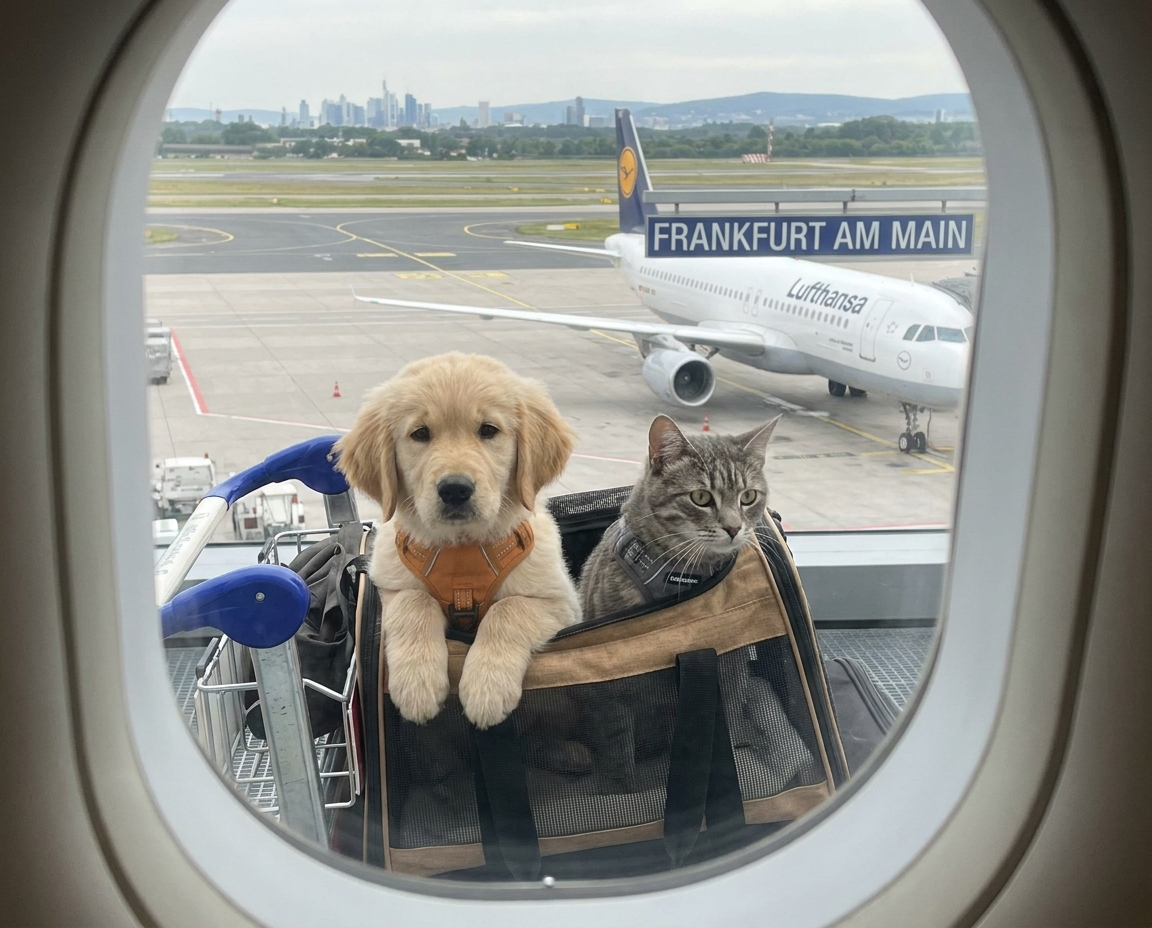
If you are thinking of flying with your dog or cat to Germany, it is a brilliant place to land with a pet when the paperwork is right. Think long walks through Berlin parks, cool mornings in the Bavarian Alps, slow days in the Rhine River Valley, and a country recently celebrated as #2 globally for pet travel preparedness. This guide explains the practical side: flying with a dog or cat to Germany in 2026, the EU2026/131 rules, Germany pet import requirements, export basics, airlines, documents, breed checks, and what life feels like once your paws hit German ground.
What changed for pet travel Germany in 2026?
In 2026, non-commercial movement of dogs, cats, and ferrets into the EU is governed by Commission Delegated Regulation (EU) 2026/131, which applies the current EU animal-health framework for pets travelling with their owner and not being sold or transferred. For most travellers, the core process still feels familiar: microchip first, valid rabies vaccination, correct travel document, and entry checks at a designated point.
The big practical lesson is this: do not reuse an old checklist without checking the current certificate model. USA readers must check USDA APHIS for updated certificate formats before booking the vet appointment, because APHIS notes that the new EU legislation took effect on April 22, 2026, for non-commercial export of dogs, cats, ferrets, and birds to the EU.
If you want a route-specific plan, start with getting your personalised pet travel checklist for Germany - Pet Holiday Club | International Pet Travel Requirements for 194+ Countries
If you already have paperwork, it is safer to check your existing pet travel documents before you fly, than discover a missing signature at check-in - Check Pet Travel Documents Online | Pet Holiday Club
The core Germany pet import requirements
For travelling to Germany with a dog or cat, the rules depend on where you start. Pets coming from another EU country usually travel on an EU pet passport with valid rabies protection. Pets entering from outside the EU usually need an Animal Health Certificate Germany issued by an official or authorised veterinarian in the departure country, plus supporting vaccination and identity records.
Your basic checklist should include:
ISO-compliant microchip or readable tattoo, with the ID recorded on the documents.
Microchip before rabies vaccination, because the vaccine must be linked to the identified animal.
Rabies vaccination no earlier than 12 weeks of age.
At least 21 days after the primary rabies vaccination before travel.
Rabies booster before expiry if maintaining continuous protection.
Official animal health certificate for non-EU arrivals, usually issued not more than 10 days before arrival in the EU.
Owner declaration of non-commercial movement, confirming there is no sale or change of owner.
Up to five pets per person, unless travelling for a competition, show, sport event, or related training with written proof and animals at least six months old.
If your pet comes from a country not listed for rabies-risk purposes, add a rabies antibody titre test. The blood sample must be taken at least 30 days after rabies vaccination and at least three months before entry, through an approved laboratory. Germany does not allow puppies or kittens to enter without adequate rabies protection; from listed countries that normally means at least 15 weeks old, and from non-listed countries it can mean around seven months old.
Documents, airports, and border checks
Your first EU entry point matters. Dogs, cats, and ferrets entering Germany from many non-EU countries must arrive through a designated Travellers Point of Entry, where officials can check the documents and identity of the animal. Germany’s listed entry points include major airports such as Frankfurt am Main, Munich, Berlin Brandenburg, Düsseldorf, Hamburg, Hanover, Cologne/Bonn, and Stuttgart, but you should verify your exact airport before booking.
At arrival, declare the pet to customs or the competent authority instead of walking out and hoping nobody asks. Germany’s federal ministry for food and agriculture, BMEL, explains the entry framework, while implementation and checks are handled by the Bundesländer and local state veterinary authorities.
There is generally no routine quarantine for a compliant pet entering Germany. If your pet fails checks, authorities may return the animal, place it in quarantine until it complies, or, as a last resort, order euthanasia where return or isolation is not possible. That sounds harsh because it is; paperwork is not admin decoration when pet travel Germany rules are involved.
Flying with a dog to Germany without airport drama
Airlines set their own rules on cabin travel, checked baggage, and cargo. A small cat or dog may be allowed in cabin if it fits the airline’s carrier limits, while larger pets often travel as checked baggage or manifest cargo. Always confirm the route, aircraft type, seasonal restrictions, breed rules, carrier dimensions, and check-in location directly with the airline.
For Berlin dog travel, BER publishes practical airport guidance and reminds travellers that transport boxes are not rented or sold at the airport. For Munich dog travel, expect a structured oversized-baggage process for pets that do not travel in cabin. Frankfurt is a common pet-entry choice because of its international connections, but bigger airports can feel loud and busy, so build in recovery time after landing.
Before flying with a dog to Germany, pack:
Original pet travel document, not only scans.
Rabies certificate and microchip record.
Printed airline confirmation for the pet booking.
Carrier labels with your contact details.
Absorbent liner, leash, harness, and waste bags.
Food for delays, but avoid overfeeding before departure.
Medication instructions, if your vet has prescribed anything.
Germany breed restrictions dog owners must check early
Germany has federal breed-specific import restrictions, and some Bundesländer add their own keeping rules. At federal level, importing or bringing in certain dangerous dogs is restricted under the Dog Transfer and Import Restrictions Act, including American Staffordshire Terrier, Staffordshire Bull Terrier, Bull Terrier, Pit Bull Terrier, and crossbreeds involving these breeds. Customs guidance lists these breeds as dangerous-dog import concerns.
This is where “Bundesland breed ban Germany” research matters. Berlin, Bremen, Baden-Württemberg, Bavaria, Hamburg, Hesse, North Rhine-Westphalia, and other states can treat listed breeds differently, with rules around permits, muzzles, leashes, temperament testing, insurance, registration, or keeping bans. In some contexts, owners may need a certificate of harmlessness, called Unbedenklichkeitsbescheinigung, but the availability and effect of that certificate depends on the Bundesland and local authority.
Do not rely on social media breed guesses, shelter paperwork, or airline acceptance alone. If your dog is an American Staffordshire Terrier, Staffordshire Bull Terrier, Bull Terrier, Pit Bull Terrier, or a similar-looking mix, contact the destination veterinary or public order authority before booking. A ticket does not override a Bundesland breed ban Germany rule.
Tapeworm, health, and comfort rules
Germany does not require routine tapeworm treatment for dogs entering Germany. The EU tapeworm rule applies when travelling with a dog to Finland, Ireland, Malta, Norway, or Northern Ireland, where treatment against Echinococcus multilocularis must usually be given by a vet between 24 and 120 hours before arrival and recorded in the pet document.
That said, ask your vet about parasite prevention before travelling, especially if you plan hikes, lake swims, or rural stays. Germany is dog-friendly, but it is still your job to keep your pet controlled, vaccinated, clean, and comfortable. Bring familiar bedding, practise crate time before departure, and keep the first day quiet.
Dogs in Berlin, Munich, and everyday Germany
Germany can be a joy with a dog. Many cafés, restaurants, hotels, parks, trails, and some Biergärten welcome well-behaved dogs, although house rules vary. A Biergarten with dog plans usually works best when your dog settles under the table, ignores dropped food, and can handle crowds.
Berlin dog travel feels urban and green at the same time, with parks, lakes, and neighbourhood walks. Munich dog travel gives you city structure plus quick access to Alpine weekends, but public transport and local leash rules need attention. In every city, carry bags, respect no-dog areas, and ask before entering restaurants or shops.
If you become a resident, learn about Hundesteuer, Germany’s municipal dog tax. It is for people keeping a dog in a German household, not a short holiday visitor with a pet. Berlin and Munich both require local dog registration for residents, with deadlines and rates set locally.
Exporting pets from Germany
Exporting from Germany starts with the destination country, not the German airport. If you are travelling within the EU, your dog or cat usually needs an EU pet passport, microchip, and valid rabies vaccination. If you are leaving the EU, check the destination country’s import rules early because it may require an official veterinary health certificate, rabies titre test, parasite treatment, import permit, or airline cargo booking.
For export certification, contact your local German veterinary authority, often the Veterinäramt, well before travel. They may need to inspect the animal, review records, endorse a certificate, or issue destination-specific paperwork. If returning to the United States, check current U.S. dog import rules, airline rules, and any state-level requirements before departure.
Common pre-flight questions
Can I bring more than five pets to Germany?
Usually no. The non-commercial pet travel limit is up to five dogs, cats, or ferrets per person, and the animals must not be sold or transferred. The main exception is documented travel for competitions, shows, sporting events, or training, with pets at least six months old.
Do cats need rabies vaccines for Germany?
Yes. Cats entering Germany under EU pet rules need identification, valid rabies vaccination, and the correct EU pet passport or animal health certificate, depending on origin. Indoor-only status does not remove the border requirement.
Is an Animal Health Certificate Germany enough for onward EU travel?
After EU entry checks, the certificate can support onward travel within the EU for a limited period, generally up to six months or until the rabies vaccination expires, whichever comes first. Keep the stamped or checked document with you, especially if Germany is only your first EU landing point.
Are airlines allowed to refuse my pet even if Germany allows entry?
Yes. Airline rules are separate from Germany pet import requirements. An airline may refuse a pet because of carrier size, aircraft limits, weather, snub-nosed breed policy, route restrictions, cargo capacity, or missing booking approval.
Can I take my dog into a Biergarten in Germany?
Often, yes, but never assume. Many Biergärten and casual restaurants welcome calm dogs, while others limit pets indoors, during busy service, or in food-preparation areas. Ask first, keep the leash short, and bring water.
Flying with a dog or cat to Germany is not about chasing stamps; it is about protecting the animal you love. When the microchip, rabies record, certificate, airline booking, and local rules line up, the journey becomes calmer. Then Germany opens up beautifully: parks, trains, mountains, rivers, and a tired pet sleeping beside you after a good day.