Can You Sedate Your Dog for a Flight? What Vets Actually Say
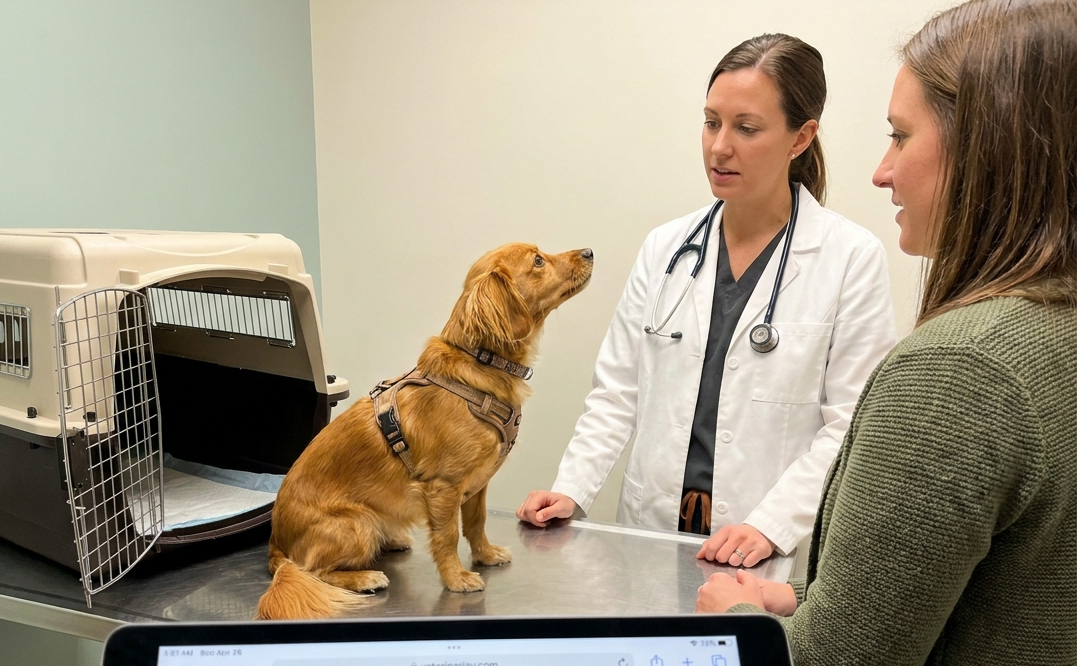
Why Sedation Is Not Recommended for Air Travel
The American Veterinary Medical Association (AVMA), IATA, and most major airlines advise against sedating pets for air travel. The reasons are medical and serious.
Cardiovascular and respiratory risk
Sedatives affect a dog's ability to regulate their own breathing and body temperature. At altitude, cabin pressure changes and reduced oxygen levels can compound these effects. For brachycephalic (short-nosed) breeds - pugs, French bulldogs, Boston terriers, bulldogs - the risk is particularly severe because these dogs already have compromised airways.
Balance and injury risk
Sedated dogs cannot balance properly. During turbulence, a dog that cannot reposition itself in a crate is at a significantly higher risk of injury. This concern applies even to in-cabin travel, but is especially serious in cargo.
It is prohibited for cargo travel
Most airlines follow AVMA and IATA guidance and will refuse to accept sedated pets for cargo travel. Airline staff are trained to assess pets at check-in. A dog that appears sedated may be denied boarding entirely.
Post-flight effects
When sedation wears off - often in an unfamiliar environment, after a long journey - dogs can experience confusion, panic, or disorientation. The recovery period can be distressing for both dog and owner.
"Dogs should never be tranquilized as this can suppress breathing and can lead to serious health complications during flight, particularly if in cargo unattended."
What About Anti-Anxiety Medication?
Sedation and anti-anxiety medication are not the same thing, and this distinction matters.
Anti-anxiety medications - such as trazodone, gabapentin, or alprazolam - work differently from sedatives. They reduce anxiety without causing the same level of respiratory suppression. For in-cabin travel, veterinarians sometimes prescribe these medications for dogs with genuine flight anxiety.
However, there are important conditions:
💡 Pro Tip: Always trial the medication at home first
VCA Animal Hospitals recommends testing any prescribed medication at home before the day of travel, so you know exactly how your dog responds. Never administer a new medication for the first time on the day of a flight.
Consult your vet: No medication should be given without a veterinary consultation. Your vet will assess your dog's health, breed, age, and the specific journey before recommending anything.
Cargo travel: Anti-anxiety medication with sedating effects is still not recommended for cargo travel. The same respiratory risks apply.
What Actually Helps: Evidence-Based Alternatives
The most effective preparation for anxious dogs does not come from a pill - it comes from training and familiarisation. Here is what the evidence supports.
Crate training
A dog that is genuinely comfortable in their crate before a flight is far calmer during one. Start crate training at least 8-12 weeks before travel. The crate should be a positive, familiar space - somewhere your dog voluntarily rests and sleeps at home.
Pheromone products
Adaptil - a synthetic version of the natural calming pheromone produced by mother dogs - is available as a collar, spray, or diffuser. VCA Animal Hospitals notes that a pheromone calming collar "can help lower anxiety" during travel. It is non-sedating and safe for all travel types including cargo.
Thundershirt
The Thundershirt applies gentle, constant pressure - similar to swaddling an infant - and has clinical evidence behind it for anxiety reduction. VCA recommends it as a travel anxiety strategy. It is simple, drug-free, and many dogs respond well to it.
Exercise before the flight
IATA guidance recommends taking your dog for a walk before leaving for the airport and again before check-in. A tired dog is a calmer dog. Avoid feeding within four to six hours of the flight to reduce the risk of nausea and motion sickness.
Familiar bedding and scent
Placing a piece of your worn clothing in your dog's crate provides familiar scent during the journey. Familiar smells are calming for dogs and require no medication.
Should My Dog Fly at All?
This is a question worth asking honestly. Cornell University College of Veterinary Medicine advises that before booking any flight with a dog, you should consider whether bringing your dog is truly the best choice.
Some dogs - particularly those with heart disease, respiratory problems, severe anxiety, seizure disorders, or very advanced age - may not be able to tolerate the stress of air travel safely. For these dogs, the most responsible decision may be to explore alternatives: pet sitters, ground transport, or professional pet relocation services.
Brachycephalic breeds require special consideration. Many airlines restrict or prohibit the transport of short-nosed breeds in cargo due to breathing risks. Check airline's breed restrictions at Pet Holiday Club.
On the Day of Travel: A Practical Checklist
- ⏰ 4-6 hours before: Stop feeding. Water is fine until departure.
- 🐾 2 hours before: Walk your dog. Let them relieve themselves fully.
- ✈️ At the airport: Use any pet relief areas available before security. Keep your dog calm and low-key.
- ✅ At check-in: Your dog will come out of the crate for security screening. Use a harness with a lead to prevent escape.
- 📋 During the flight: If in-cabin, your dog must remain in the carrier for the entire flight. Keep interactions calm.
🌍 Your International Travel Resource
For country-specific documentation requirements before your dog's international flight - health certificates, vaccination records, microchip standards, and airline-approved crate specifications - use Pet Holiday Club's free tool at petholidayclub.com. We cover 190+ countries, government-sourced and vet-verified.