Can I Sedate My Dog While Traveling? The Definitive 2026 Safety Guide
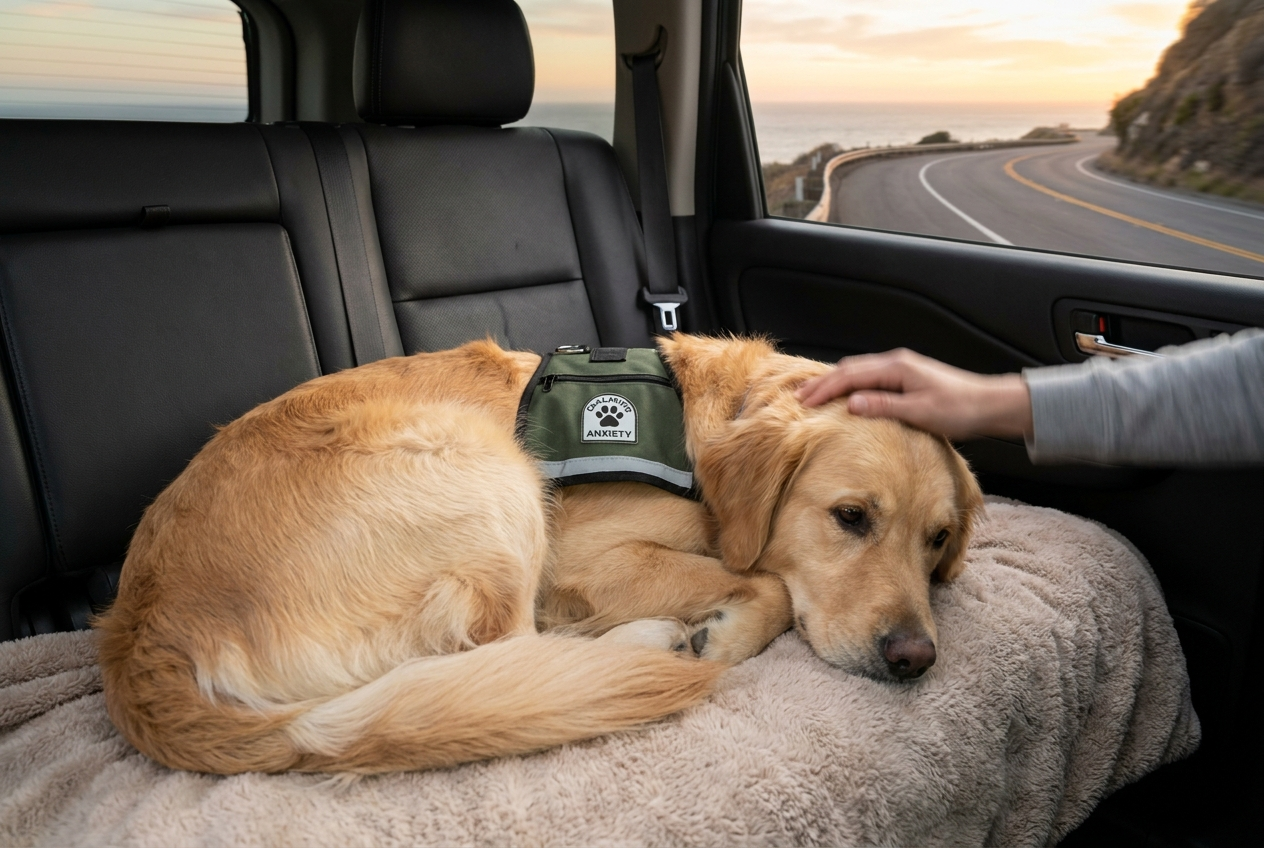
As a loving pet parent, watching your dog display signs of intense pacing, whining, or shaking when entering a travel crate is heartbreaking. Your natural instinct is to want to ease their suffering, leading many to ask their veterinarian for a fast-acting tranquilizer or pill to allow their dog to sleep peacefully through the journey.
However, applying human logic to canine physiology in unique transit environments is a dangerous mistake. Following updated global biosecurity and transport standards enforced under the 2026 IATA Live Animals Regulations (LAR), the aviation industry has cracked down heavily on medicated pets. Giving your dog a traditional sedative before a flight can render them medically unfit to fly, resulting in denied boarding at the cargo terminal or, worst of all, a fatal medical emergency mid-air. Find out exactly which document your pet needs at PetHolidayClub.com to keep your transit plan fully compliant. Let's break down the truth about pet sedation and travel safety this year.
The Travel Sedation Risk Matrix
The safety profile of canine travel medication shifts dramatically based on your chosen mode of transportation:
Mode of Transport: Commercial Air Travel (Cargo Hold or In-Cabin)
Sedation Safety Level: EXTREMELY DANGEROUS / PROHIBITED
Primary Physiological Threat: Altitude-induced respiratory depression, loss of physical balance, and a total inability to thermoregulate.
Airline Gate Consequences: Universal denial of boarding if check-in agents observe signs of grogginess or disorientation.
Mode of Transport: Long-Distance Road Travel (Personal Vehicle)
Sedation Safety Level: MODERATE RISK (Requires Vet Supervision)
Primary Physiological Threat: Minor balance issues or car sickness if the wrong dosage compound is administered.
Airline Gate Consequences: Not applicable; however, the dog must be actively monitored by passengers in the cabin.
Part 1: Why Altitude and Sedatives Are a Deadly Combination
To understand why organizations like the American Veterinary Medical Association (AVMA) and the International Air Transport Association (IATA) fiercely oppose flight sedation, you have to look at how a dog's body changes when an aircraft climbs to its cruising altitude. Even though commercial airplane cargo holds and passenger cabins are fully pressurized, the environmental pressure at altitude typically mimics an outdoor elevation of roughly 8,000 feet above sea level.
       [SEDATIVE INJECTED / INGESTED ON GROUND]
                          |
   [Central Nervous System & Heart Rate Automatically Slow Down]
                          |
                          v
        [AIRCRAFT CLIMBS TO CRUISING ALTITUDE]
                          |
   [Atmospheric Oxygen Levels Drop + Cabin Pressure Shifts]
                          |
                          v
         [CANINE PHYSIOLOGICAL COMPROMISE]
    - Severe Hypoxia (Oxygen Deprivation)
    - Inability to Brace for Turbulence (Blunt Force Injury)
    - Respiratory Arrest (No In-Flight Medical Intervention Possible)
Amplified Respiratory Depression:
Standard veterinary sedatives (such as Acepromazine) work by depressing your dog’s central nervous system, which inherently slows down their respiratory rate and lowers their blood pressure. When you combine this chemical slowdown with the thinner, lower-oxygen air inside an airplane cabin at altitude, your dog's oxygen saturation levels can plummet to dangerous depths. This can lead to hypoxia, cardiovascular collapse, or respiratory failure.
The Loss of Equilibrium and Bracing Reflexes:
When a plane experiences unexpected turbulence or an airline crew moves a travel crate during a tarmac transfer, an alert dog instinctively spreads their legs and tenses their muscles to brace against the shifting walls of their crate. A sedated dog loses this vital motor coordination. As the crate sways, the disoriented animal will slide uncontrollably across the plastic floor, leading to severe bruising, broken bones, or head trauma.
Complete Loss of Thermoregulation:
Airplane cargo holds are temperature-controlled, but they rely on your dog’s natural metabolic responses to adjust to minor temperature variations. Chemical sedatives disrupt a dog’s internal thermostat, destroying their ability to shiver to generate heat or pant efficiently to cool down. This vulnerability puts them at severe risk of hypothermia or heatstroke.
The Invisible Emergency:
The single greatest hazard of sedating a dog for a flight is that you cannot monitor them. If your dog experiences a negative drug reaction or stops breathing while inside the cargo hold at 35,000 feet, there is no flight attendant or veterinary technician available to perform CPR or administer a life-saving reversal agent. By the time the aircraft touches down and the cargo doors open, it is tragically too late.
Part 2: The Double Risk for Brachycephalic (Snub-Nosed) Breeds
If you own a brachycephalic breed—such as a French Bulldog, Pug, English Bulldog, Boxer, Boston Terrier, or Shih Tzu—sedation during travel is completely out of the question.
Due to generations of selective breeding, snub-nosed dogs suffer from Brachycephalic Obstructive Airway Syndrome (BOAS). They possess severely elongated soft palates, narrowed nostrils, and deformed windpipes, meaning they have to expend significantly more physical effort to pull air into their lungs than longer-snouted breeds under normal conditions.
[Snub-Nosed Anatomy (BOAS)] + [Sedative Muscle Relaxation] = Instant Airway Obstruction
When a brachycephalic dog is given a sedative, the drug causes the delicate muscles surrounding their upper respiratory tract to relax and collapse inward. This directly blocks their already restricted airways. Because of this extreme risk, most major global airlines completely ban snub-nosed breeds from traveling in the cargo hold entirely. If you choose to sneak an over-the-counter sedative to a flat-faced dog before an in-cabin flight, you are actively bypassing their only natural defense mechanism against suffocation.
Part 3: What Major Airlines Enforce at the Gate
Do not think you can quietly administer a tranquilizer in the airport parking lot and skip past airline staff. Under 2026 check-in protocols, gate agents are trained to perform live pet visual assessments before attaching baggage routing tags to a crate.
Pro Logistics Note for 2026: Most major airlines (including Delta, United, American, and Lufthansa) require pet parents to sign a formal Live Animal Behavioral & Medication Declaration at check-in. This document legally certifies that your dog has not been given any sedatives prior to the flight.
If an airline handler notices that your dog has glassy eyes, an uncoordinated gait, a lolling tongue, or seems completely unresponsive to voice commands, they will flag the pet as chemically sedated. Your pet will be denied entry to the aircraft, your tickets will be voided, and you will be forced to leave the terminal to seek an emergency veterinary evaluation to verify the animal's safety.
Part 4: Safe, Vet-Approved Alternatives for Managing Travel Anxiety
Moving away from heavy sedation doesn't mean you have to leave your anxious dog to panic. The modern veterinary space offers highly effective, targeted alternatives that reduce emotional fear without knocking your dog out.
1. True Prescription Anxiolytics (Not Sedatives)
Talk to your veterinarian about true anti-anxiety medications, such as Gabapentin or Trazodone. Unlike old-school sedatives that merely paralyze an animal's muscles while leaving their brain terrified, these targeted prescriptions work directly on neurotransmitters to quiet psychological panic. When dosed correctly by a professional, these medications take the anxious edge off your dog’s mind while leaving their breathing patterns, heart rate, and balancing reflexes completely functional.
Always conduct a "dry run" trial dose at home 14 days before your trip to observe how your unique dog reacts to the medication.
2. Advanced Pheromone and Nutritional Therapy
Synthetic Pheromone Sprays: Products like Adaptil mimic the natural comforting pheromones released by a lactating mother dog. Spraying the interior of your dog's IATA crate 15 minutes before travel provides a powerful chemical signal of safety.
Alpha-Casozepine Supplements: Natural nutritional supplements (such as Zylkene) utilize milk-derived proteins to promote relaxation without causing drowsiness or blood pressure drops. These work best when started 7 days before your departure.
3. Rigorous Spatial Crate Conditioning
The ultimate defense against travel panic is behavioral conditioning. Your dog should view their travel crate as a premium bedroom, not a surprise prison. Spend at least 30 to 45 days introducing the crate, feeding them their meals inside it, and taking them on short, positive vehicle rides so they learn that crate movement always leads to a fun reward.
The Pet Holiday Club Safe Travel Countdown Checklist
Coordinate your dog's anxiety management plan using this chronological milestone blueprint:
[ ] 45 Days Before Departure: Procure your rigid, IATA-compliant travel carrier. Place it open in your living room and begin positive crate reinforcement training.
[ ] 30 Days Before Departure: Schedule a travel consultation with your veterinarian. Discuss your dog's anxiety history and request a safe prescription plan if needed.
[ ] 14 Days Before Departure: Conduct a medication "dry run." Give your dog their prescribed dosage at home and closely document their balance, alertness, and behavior for 6 hours.
[ ] 7 Days Before Departure: If using calming nutritional supplements like Zylkene, begin adding them to your dog's daily morning food bowls.
[ ] 24 Hours Before Departure: Wash your dog's travel bedding. Spray it thoroughly with an Adaptil pheromone layer, allowing the alcohol base to completely evaporate before use.
[ ] 12 Hours Before Departure: Initiate a structured fasting window to prevent motion sickness. Withhold all solid foods, but keep fresh water available.
[ ] 4 Hours Before Departure: Take your dog on a long, vigorous walk or play session to burn off excess adrenaline and physical energy before heading to the terminal.
Find out exactly which document your pet needs at PetHolidayClub.com to protect your global travel timeline.
Frequently Asked Questions
Can I give my dog Benadryl (diphenhydramine) before a flight?
While Benadryl is an over-the-counter antihistamine that can cause drowsiness on the ground, veterinarians strongly advise against using it for air travel. Its sedative side effects can become unpredictable and dangerous when subjected to shifting cabin pressures and lower oxygen levels at high altitudes.
Why do airlines ban sedated pets if it makes them calmer?
Airlines ban sedated pets because the physiological risks at altitude are too severe. Sedatives lower blood pressure and depress respiration, which can lead to death when combined with pressurized cabin air. Additionally, a sedated dog cannot balance itself during turbulence, greatly increasing their risk of injury inside the crate.
How can I tell the difference between an anti-anxiety med and a sedative?
Sedatives (like Acepromazine) primarily depress the central nervous system and relax muscles, making an animal physically drowsy or immobile without necessarily reducing their internal fear. Anti-anxiety medications (like Trazodone or Gabapentin) target brain chemistry to reduce emotional panic while allowing the animal to maintain normal muscle control, balance, and breathing.
What should I do if my dog panics inside their crate at the airport?
If your dog displays signs of anxiety at the terminal, do not open the crate door in an unsecured public zone, as a panicked dog can easily bolt. Instead, drape a light, breathable t-shirt or sheet over the crate to block out overwhelming visual stimuli, find a quiet area away from crowds, and speak to them in a soft, reassuring tone.
Are there safe options for dogs with severe travel phobia?
If your dog suffers from severe, unmanageable travel phobia and must travel a long distance, ground transport via professional pet relocation services or traveling by sea may be far safer options than commercial flights. Always consult your veterinarian to evaluate your dog's structural fitness before booking any long journey.