Best vs. Worst Airlines for Anxious Pets in 2026: A Stress-Free Flight Guide
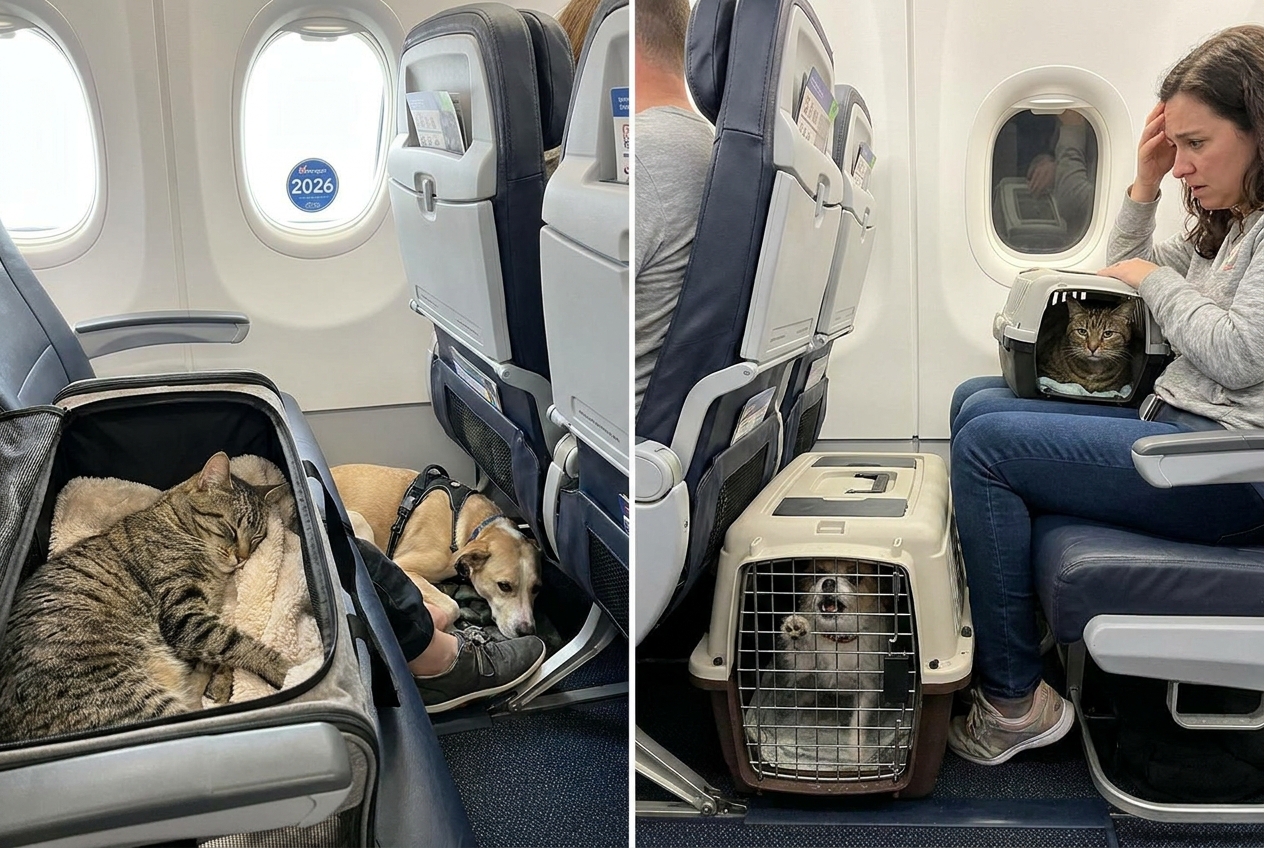
Which airline is best for anxious pets in 2026? The best airlines are specialized pet-centric private operators like Bark Air and K9 JETS, which allow pets to stay in the cabin cage-free. For commercial travel, Delta Air Lines and Alaska Airlines are top-rated due to climate-controlled cabins, strict noise reduction protocols, and accommodating staff.
Air travel is naturally stressful for animals. The combination of pressurized cabins, shifting altitude pressures, echoing terminal noises, and unfamiliar crowds can easily cause panic in a sensitive pet. If your dog or cat suffers from general anxiety, noise phobias, or separation distress, selecting the right carrier can make the difference between a peaceful trip and a traumatic ordeal.
Airline policies vary drastically when it comes to pet safety and care. While some carriers provide premium, climate-controlled environments and seamless terminal processing, others enforce rigid crate policies, subject animals to loud tarmac environments, or ban pets from the passenger cabin entirely. Reducing your pet's travel anxiety starts with getting the paperwork right the first time — plan at PetHolidayClub.com to prevent sudden delays. Let's analyze the best and worst airlines for nervous pets in 2026.
The Pet Anxiety Leaderboard: 2026 Carrier Rankings
To rank these airlines fairly, we assessed each operator across four critical categories: In-Cabin Access Options, Terminal Noise Exposure Control, Tarmac Temperature Controls, and Staff Empathy Training.
Airline Category | Top Provider Choices | Overall Anxiety Management Score | Core Operational Advantage |
Elite Private | Bark Air | 9.9 / 10 | Complete cage-free freedom, calming pheromones, and personalized treats. |
Premium Private | K9 JETS | 9.6 / 10 | Shared quiet executive cabins ideal for large, nervous relocation breeds. |
Top Commercial | Delta Air Lines | 8.5 / 10 | Reliable climate-controlled routing and straightforward reservation processes. |
Top Regional | Alaska Airlines | 8.2 / 10 | Excellent customer care and transparent baggage-hold environmental reporting. |
High Risk | Rigid Cargo Legacy Carriers | Under 4.0 / 10 | Long layover durations, high noise levels, and total isolation from owners. |
The Gold Standard: Specialized Private Pet Aviation
If your budget allows or you are navigating an international move with a highly sensitive animal, specialized private operators offer the absolute best environment for managing pet anxiety.
                  [THE PRIVATE COMFORT PIPELINE]

   [Private FBO Entry] ➔ [Quiet Executive Waiting Lounge]
   ➔ [Zero Crate Confinement] ➔ [Direct In-Flight Owner Support]
1. Bark Air: Outstanding Sensory-Calming Luxury
Bark Air is built entirely around minimizing canine anxiety. Instead of forcing a nervous animal into a tight carrier under a seat, Bark Air opens up the entire luxury cabin.
Pheromone Towels: Prior to engine start, flight attendants pass out soothing warm cloths infused with dog-calming pheromones.
Ear-Popping Remedies: To help alleviate the painful ear-pressure changes that cause dogs to whine during ascent, dogs are served custom bone broth "dog champagne" to encourage active licking and swallowing.
2. K9 JETS: The Quiet Transatlantic Haven
For families undertaking long transatlantic relocations, K9 JETS offers an incredibly calm seat-share framework. The cabin atmosphere is designed to mirror a quiet corporate office. There are no chaotic overhead announcements or crowded beverage carts. Your dog relaxes on a soft blanket right at your feet or on the seat next to you, allowing you to pet, soothe, and reassure them through the entire flight.
The Best Commercial Choices for Mildly Anxious Pets
When private aviation isn't a practical option, select commercial airlines stand out for their superior handling of in-cabin pets under 20 pounds.
   [Book Priority In-Cabin Spot] ➔ [Use TSAC-Approved Soft Carrier]
   ➔ [Select Mid-Cabin Row Seats] ➔ [Maintain Continuous Visual Contact]
1. Delta Air Lines
Delta remains an industry leader for in-cabin pet safety. Their booking system limits the total number of pets permitted in each cabin tier, preventing crowded, noisy environments where dogs might bark at each other during flight. Delta’s gate agents are trained to process pet check-ins quietly, minimizing terminal stress.
2. Alaska Airlines
Alaska Airlines is highly praised by pet parents for its exceptional customer service and transparent animal transport policies. For pets traveling in their climate-controlled baggage spaces, Alaska provides real-time notification stamps confirming exactly when your pet has been safely loaded onto your aircraft, eliminating a major source of anxiety for owners.
The Worst Flight Options for Anxious Animals
Certain operational setups pose high safety and stress risks for sensitive animals. Understanding these risks will help you avoid traumatic travel situations.
          [ENVIRONMENTAL STRESSORS IN COMMERCIAL CARGO HOLDS]
                            /          \
               NOISE EXPOSURE          TEMPERATURE FLUCTUATION
                     /                    \
        - Screaming jet engines.      - Unprotected tarmac delays.
        - Heavy luggage loaders.       - Dangerous summer heat spikes.
        - Echoing cargo bays.         - Bitter winter cold drafts.
1. Traditional Commercial Manifest Cargo Holds
Forcing an anxious dog or cat into a dark, loud, isolated cargo compartment for hours is an extreme stress trigger. Pets experience the full roar of jet engines, the heavy thuds of luggage being loaded, and unprompted shifting movements in absolute darkness without any human comfort. If your dog is prone to panic attacks, cargo shipping can trigger severe behavioral regression or physical injury from chewing on crate bars.
2. Carriers with Multi-Stop Connections and Long Layovers
Avoid choosing cheap flights that require multiple connections or extended layovers. Every takeoff and landing multiplies the pressure changes that cause ear pain, and every connection increases the risk of your pet being left on a loud, exposed tarmac during baggage transfers.
Actionable Strategy: De-Escalating In-Flight Panic
If you are flying commercially with an anxious pet, use this preparation framework to keep them calm:
Practice Crate Conditioning: Spend at least six weeks prior to your flight positive-reinforcing your pet’s carrier. Feed them meals inside it and take them on short drives to build a positive association with the space.
Pick Mid-Cabin Seats: When choosing your seats, opt for rows near the middle of the aircraft. Avoid the front galley and back rows, as these areas experience the highest foot traffic, clanging beverage carts, and loud bathroom door noises.
Consult Your Vet Early: Discuss anxiety solutions with your veterinarian well in advance. While traditional sedatives can be dangerous for a pet's respiratory system at high altitudes, light behavioral supplements or specialized calming wraps can provide safe, effective support.
Legal and Paperwork Peace of Mind
Nothing spikes a pet parent’s anxiety faster than arriving at an airport gate only to discover their veterinary paperwork is invalid or missing a critical stamp.
Clerical Errors Create Panic: If an agent detects a mismatch between your pet's microchip date and their rabies certification, your pet can be denied boarding on the spot. This sudden disruption can cause intense stress for both you and your animal.
   [Double Check Microchip Log] ➔ [Confirm Rabies Stamp Legitimacy]
   ➔ [Secure Federal USDA Sign-Off] ➔ [File Folder for Quick Presentation]
Ensure your paperwork is perfectly organized before your travel day:
The Sequential Check: Confirm your pet's microchip was implanted prior to their latest rabies vaccine.
The Health Stamp: Secure a fully endorsed international or domestic health certificate from a certified federal veterinarian within your route's validity window.
The Organized Folder: Keep all original documents, vaccination records, and permits in a clear, waterproof folder for quick review at check-in.
Reducing your pet's travel anxiety starts with getting the paperwork right the first time — plan at PetHolidayClub.com to secure your custom veterinary compliance guide.
Frequently Asked Questions
Which airline is best for anxious pets in 2026?
The premier options for highly anxious animals are specialized private brokers like Bark Air and K9 JETS, which allow pets to stay in the cabin cage-free. For traditional commercial routes, Delta Air Lines and Alaska Airlines are top-rated due to their supportive policies and well-regulated cabin environments.
Can I give my dog an anxiety sedative before a flight?
You should never administer heavy human sedatives or tranquilizers to a flying pet without direct veterinary supervision. Many traditional sedatives interfere with an animal's ability to regulate their body temperature and balance at high altitudes. Always ask your vet for travel-safe alternatives.
Why are commercial cargo holds risky for anxious dogs?
Commercial cargo spaces subject animals to intense stressors, including loud jet engine noise, heavy mechanical vibrations, total darkness, and isolation. Additionally, pets risk exposure to extreme weather conditions during extended tarmac delays.
How do private jet services help calm flying pets?
Private jet providers like Bark Air reduce stress by eliminating crates and crowded passenger spaces. They offer calming pheromone-infused towels, specialized treats to help soothe ear pressure, and allow pets to relax directly beside their owners in a quiet cabin.
What should I look for in a pet travel carrier to reduce anxiety?
Choose a soft-sided, TSA-approved carrier that features mesh ventilation panels on multiple sides. This design ensures optimal airflow and allows your pet to easily maintain visual contact with you throughout the journey.